

Can Flocked Fabric Be Used for Making Lampshades?
As a seasoned supplier of Flocked Fabric, I've often been asked about the diverse applications of our products. One question that frequently comes up is whether flocked fabric can be used for making lampshades. In this blog post, I'll delve into the feasibility, advantages, and considerations of using flocked fabric for lampshades.
Feasibility of Using Flocked Fabric for Lampshades
Flocked fabric is indeed a viable option for lampshades. Its unique texture and appearance can add a touch of elegance and sophistication to any lighting fixture. The fabric consists of tiny fibers that are electrostatically adhered to a base material, creating a soft, velvety surface. This texture not only looks luxurious but also diffuses light in a way that creates a warm and inviting glow.
One of the key factors that make flocked fabric suitable for lampshades is its light diffusion properties. When light passes through the fabric, the fibers scatter the light rays, reducing glare and creating a more even distribution of light. This is particularly beneficial for bedside lamps or reading lights, where a soft, non - harsh light is desired.
Another aspect that contributes to its feasibility is its flexibility. Flocked fabric can be easily cut and shaped to fit different lamp designs. Whether you're looking to create a traditional drum - shaped lampshade or a more modern, geometric design, the fabric can be manipulated to achieve the desired look.
Advantages of Using Flocked Fabric for Lampshades
-
Aesthetic Appeal
Flocked fabric offers a wide range of colors and patterns, allowing for endless design possibilities. From rich, jewel - toned colors to subtle neutrals, you can choose a fabric that complements your interior decor. The velvety texture also adds a tactile element, making the lampshade not only visually appealing but also inviting to touch. -
Insulation
The dense layer of fibers in flocked fabric provides some degree of insulation. This can be beneficial in reducing the heat emitted by the lamp, especially for incandescent or halogen bulbs. It can also help to protect the fabric from damage due to excessive heat, increasing the lifespan of the lampshade. -
Sound Absorption
In addition to its visual and thermal properties, flocked fabric can also absorb sound. This can be a useful feature in a room where you want to reduce echo or background noise. A lampshade made of flocked fabric can contribute to a more peaceful and comfortable environment.
Considerations When Using Flocked Fabric for Lampshades
-
Heat Resistance
While flocked fabric provides some insulation, it's important to ensure that it is heat - resistant enough for the type of bulb you're using. LED bulbs generate less heat compared to incandescent or halogen bulbs, making them a safer choice when using flocked fabric lampshades. If you do choose to use a high - heat bulb, make sure there is enough space between the bulb and the fabric to prevent overheating. -
Cleaning and Maintenance
Flocked fabric can be a bit more delicate than other materials, so it requires special care when cleaning. Vacuuming the lampshade gently with a soft - bristle attachment can help remove dust. If there are stains, spot - cleaning with a mild detergent and a soft cloth is recommended. Avoid submerging the lampshade in water or using harsh chemicals, as this can damage the fibers.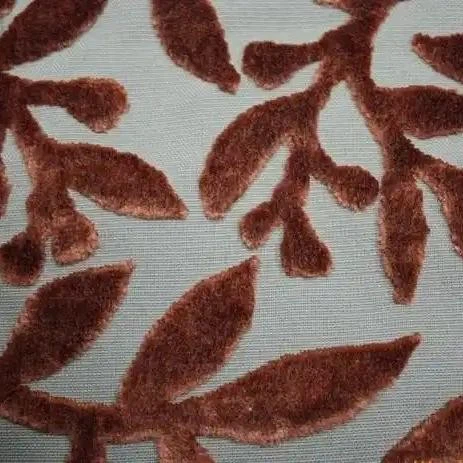

-
Fire Safety
It's crucial to ensure that the flocked fabric used for lampshades is fire - resistant. Look for fabrics that have been treated with fire - retardant chemicals or meet relevant fire safety standards. This is an important consideration for the safety of your home.
Comparison with Other Fabrics for Lampshades
When considering using flocked fabric for lampshades, it's helpful to compare it with other common fabrics used in lampshade making, such as Pressed Fabric and Velvet Dyed Fabric.
Pressed fabric is known for its smooth and uniform surface. It can create a sleek, contemporary look for lampshades. However, it may not have the same light - diffusing properties as flocked fabric and may produce more glare.
Velvet dyed fabric, like flocked fabric, has a soft and luxurious feel. But it can be more expensive and may require more complex care. Flocked fabric offers a similar aesthetic at a relatively lower cost and can be easier to maintain in some cases.
Real - World Examples and Success Stories
I've had numerous customers who have used our flocked fabric to create stunning lampshades. One customer, a graphic designer, used a deep purple flocked fabric to make a modern - style pendant lamp for her studio. The rich color and velvety texture of the fabric transformed the space, adding a touch of drama and sophistication. Another customer, a homeowner, used a light - colored flocked fabric for a bedside lamp, creating a warm and cozy atmosphere in the bedroom.
Conclusion
In conclusion, flocked fabric is an excellent choice for making lampshades. Its unique combination of aesthetic appeal, light diffusion properties, insulation, and sound absorption make it a versatile and practical option. However, it's important to take into account the considerations regarding heat resistance, cleaning, and fire safety.
If you're interested in using flocked fabric for your lampshade projects or have any questions about our products, I encourage you to reach out. We are always happy to assist you in finding the perfect fabric for your needs and can provide samples for you to evaluate. Let's start a conversation about how we can bring your lighting design ideas to life.
References
- Textile Industry Handbook, 2023 Edition
- Lighting Design Principles and Practices, 2022