

Knitted Fabric
Shaoxing Handi Trading Co., Ltd. was established in September 2023 and is based in Shaoxing, Zhejiang. The company focuses on product quality and customer service, specializing in the processing and sale of various products such as clothing, home textiles, bags, shoes, hats, and other surface and auxiliary materials.


Why Choose Us
Our Factory
Located in Keqiao, Shaoxing—the heart of the textile industry—our factory is well-positioned with abundant cooperative resources to meet diverse dyeing and printing needs, providing tailored solutions for customers' unique and stylized orders.
Production Capacity
Our facility is equipped with 12 digital printing production lines, capable of processing cotton, linen, silk, nylon, leather, polyester, and various multi-component blended fabrics. We produce up to 30,000 meters of digital fabric daily.
Our service
We offer customized solutions on demand, ensuring guaranteed quality and quantity, competitive prices, and high-quality services tailored to your needs.
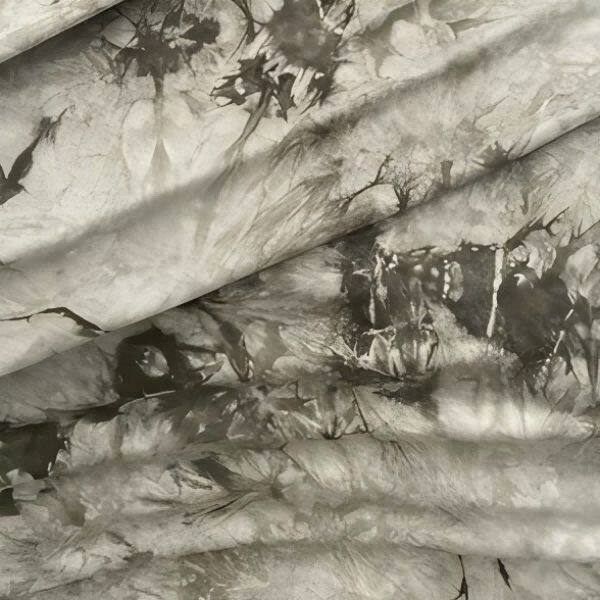
Comfortable to wear. Knit fabrics have a soft texture and great breathability. In the hot season, knitted garments allow the body to breathe, in cold weather, on the contrary, keep you warm.
Fabulous stretch. Knitwear can stretch in all four directions. You can create a form-fitting wear, which does not constrain movement. Knitted garments take the shape of a human body.
Versatility.The main reason that this fabric is in great demand. Manufacturers use various types of knitting to create underwear, T-shirts, dresses, tunics, trousers, shirts, dressing gowns and more.
Easy to care. Products made from knit fabric can be thin, airy, warm and cozy. Knitwear is wrinkle-resistant and durable, it does not lose the shape and color for a long time.
We offer the following Product Specifications:
|
Fabric also known as |
Jersey knit |
|
Fabric composition |
Wool, cotton, or synthetic fibers |
|
Fabric possible thread count variations |
150-600 |
|
Fabric breathability |
High |
|
Moisture-wicking abilities |
High |
|
Heat retention abilities |
Medium |
|
Stretchability (give) |
High |
|
Prone to pilling/bubbling |
Depends on the fabric used |
|
Country where fabric was first produced |
Channel Islands |
|
Biggest exporting/producing country today |
China or Australia |
|
Recommended washing temperatures |
Depends on the fabric used |
|
Commonly used in |
Underwear, T-shirts, bedding, sweaters, dresses, blouses, polo shirts, sweatpants, athletic wear |
Types of Knitted Fabric
Jersey Knit
Jersey is the most common type of knit fabric and what most people think of when they hear "knit." It's a single-knit construction with a smooth face and a slightly textured back. Your basic t-shirts are typically made from jersey knit.
Rib Knit
Rib knits have distinct vertical ribs and are created by alternating knit and purl stitches. This structure gives rib knits even more stretch than jersey, especially horizontally. You'll often find rib knits used for neckbands, cuffs, and waistbands.
Interlock Knit
Interlock is a double-knit fabric that looks the same on both sides. It's essentially two layers of rib knit that are joined together, creating a thicker, more stable fabric that's less likely to curl at the edges.
Casual Wear: T-shirts, leggings, hoodies and everyday apparel
Sportswear: Stretchable, moisture wicking fabrics for activewear and yoga wear
Home Textiles: Blankets, cushion covers and upholstery
Accessories: Scarves, gloves and hats for comfort and warmth

The production process used to make Jersey fabric varies significantly depending on the types of fibers it contains. Wool, for instance, is an animal product that textile manufacturers derive from the coats of sheep, goats, or other animal species. Cotton, on the other hand, is a plant product derived from the fluffy coverings of seed pods. Synthetic fibers, which can also be present in jersey fabric, are created by combining various chemicals to produce usable textile materials.
Whichever type of fiber jersey fabric contains, however, knitting this fabric follows the same universal process. Jersey manufacturers begin by taking cotton, wool, or synthetic yarn and loading it into an automated knitting machine. It's also certainly possible to knit jersey by hand, but this process is labor-intensive and inefficient.
The knitting machine then twists and combines yarn to create the distinctive, close-knit structure of jersey fabric. Once complete, jersey fabric looks like a latticework of twisted vertical yarns connected by untwisted horizontal yarns.
In some cases, yarn intended for manufacture into jersey garments is dyed prior to the knitting process, and in other scenarios, textile manufacturers dye fabric once it is finished. Depending on the material used, textile manufacturers may also apply flame retardants or other finishing treatments to improve the appearance or durability of jersey fabric.
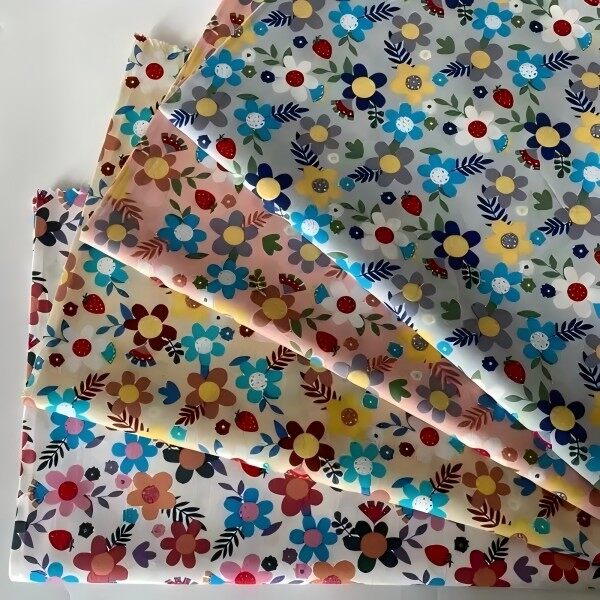
Fabric Formation and Structure
Knitted fabric is created through the intricate process of interlocking loops of yarn, a technique that sets it apart from woven fabric. Unlike woven fabric, where yarns are interlaced at right angles, knitted fabric features a meandering path of yarn forming symmetric loops. This unique structure imparts elasticity and flexibility to the fabric, making it highly adaptable for various uses.
The formation of knitted fabric can be achieved through different knitting techniques, primarily weft knitting and warp knitting. Weft knitting involves looping yarn horizontally, resulting in rows of interconnected loops. This method produces fabrics that are soft and stretchy, such as jersey and rib knit fabrics. On the other hand, warp knitting involves looping yarn vertically, creating columns of interconnected loops. Warp knit fabrics are known for their excellent shape retention and durability, making them ideal for applications requiring stability, such as sportswear and industrial textiles.
The structure of knitted fabric can be further modified by using different knitting stitches, such as knit and purl stitches. Knit stitches create a smooth, flat surface, while purl stitches produce a textured, ridged surface. By combining knit and purl stitches, textile professionals can create a wide range of textures and patterns, enhancing the versatility of knitted fabrics for various applications.
FAQ
As one of the leading knitted fabric manufacturers and suppliers in China, we warmly welcome you to buy bulk knitted fabric for sale here and get quotation from our factory. All customized products are with high quality and competitive price.
Yarn Dyed Check Fabric, Tie Dye Jersey Fabric