

In the world of textiles, the allure of velvet dyed fabric has long been captivating designers, decorators, and enthusiasts alike. Its rich texture, luxurious sheen, and deep, vibrant colors make it a sought-after material for a wide range of applications, from fashion and home decor to theatrical backdrops and upholstery. As a trusted supplier of velvet dyed fabric, I often receive inquiries from customers about the possibility of printing on this exquisite material. In this blog post, I will explore the question, "Can velvet dyed fabric be printed on?" and provide you with valuable insights into the process, considerations, and potential applications of printed velvet dyed fabric.
Understanding Velvet Dyed Fabric
Before delving into the printing process, it's essential to understand what velvet dyed fabric is and how it's made. Velvet is a type of woven tufted fabric in which the cut threads are evenly distributed, with a short dense pile, giving it its characteristic softness and sheen. The fabric is typically made from silk, cotton, synthetic fibers, or a blend of these materials.
The dyeing process is a crucial step in creating velvet fabric with rich, long-lasting colors. It involves immersing the fabric in a dye bath or applying the dye through a printing or spraying process. The choice of dye and the dyeing method can significantly impact the fabric's color, fastness, and overall quality.
Can Velvet Dyed Fabric Be Printed On?
The short answer is yes, velvet dyed fabric can be printed on. However, the printing process for velvet is more complex than for other types of fabrics due to its unique texture and pile. The pile can create challenges in achieving a clear, crisp print, and the fabric's thick weave can make it more difficult for the ink to penetrate evenly. Nevertheless, with the right equipment, techniques, and expertise, it is possible to print high-quality designs on velvet dyed fabric.
Printing Techniques for Velvet Dyed Fabric
There are several printing techniques that can be used on velvet dyed fabric, each with its own advantages and limitations. Here are some of the most common methods:
- Screen Printing: Screen printing is a traditional method that involves forcing ink through a stencil onto the fabric. This technique is suitable for printing large areas of color and simple designs. However, it may not be the best choice for intricate or detailed patterns due to the limitations of the stencil.
- Digital Printing: Digital printing is a modern technique that uses inkjet printers to apply the design directly onto the fabric. This method offers greater flexibility and precision, allowing for the printing of complex designs, photographs, and gradients. Digital printing also has the advantage of being more environmentally friendly, as it uses less water and energy compared to traditional printing methods.
- Heat Transfer Printing: Heat transfer printing involves printing the design onto a special transfer paper and then using heat and pressure to transfer the design onto the fabric. This technique is ideal for printing small quantities of fabric and can produce high-quality, durable prints. However, it may not be suitable for all types of velvet fabrics, as the heat and pressure can damage the delicate pile.
Considerations When Printing on Velvet Dyed Fabric
When printing on velvet dyed fabric, there are several factors to consider to ensure the best results. Here are some key considerations:
- Fabric Selection: Not all velvet fabrics are suitable for printing. It's important to choose a fabric with a tight, even pile and a smooth surface to ensure a clear, crisp print. Avoid fabrics with loose or uneven piles, as these can cause the ink to bleed or smudge.
- Ink Selection: The choice of ink is crucial for achieving a high-quality print on velvet dyed fabric. Look for inks that are specifically designed for use on textiles and that are compatible with the fabric's fiber content. The ink should also be fast - fading and washable to ensure the longevity of the print.
- Printing Equipment: The type of printing equipment used can also affect the quality of the print. Make sure to use a printer that is capable of handling the thickness and texture of the velvet fabric. For digital printing, a high - resolution printer with a wide color gamut is recommended.
- Pre - treatment and Post - treatment: Pre - treating the fabric before printing can help to improve the ink's adhesion and the print's durability. This may involve applying a primer or a fixative to the fabric. Post - treatment processes, such as steaming or washing, can also be used to set the ink and enhance the print's colorfastness.
Applications of Printed Velvet Dyed Fabric
Printed velvet dyed fabric offers a wide range of creative possibilities for various applications. Here are some examples:
- Fashion: Printed velvet fabric can be used to create stunning clothing items, such as dresses, jackets, skirts, and tops. The combination of the fabric's luxurious texture and the printed design can add a unique and stylish touch to any outfit.
- Home Decor: In the world of home decor, printed velvet fabric can be used for curtains, upholstery, throw pillows, and wall hangings. The rich colors and intricate designs can transform a room and create a warm, inviting atmosphere.
- Theatrical and Event Design: Theatrical productions, events, and exhibitions often use printed velvet fabric to create backdrops, costumes, and props. The fabric's ability to hold bold, vibrant prints makes it an excellent choice for creating eye - catching visual effects.
Conclusion
In conclusion, velvet dyed fabric can indeed be printed on, offering endless creative possibilities for designers, decorators, and manufacturers. While the printing process may present some challenges due to the fabric's unique texture, with the right techniques, equipment, and expertise, it is possible to achieve high - quality, durable prints.
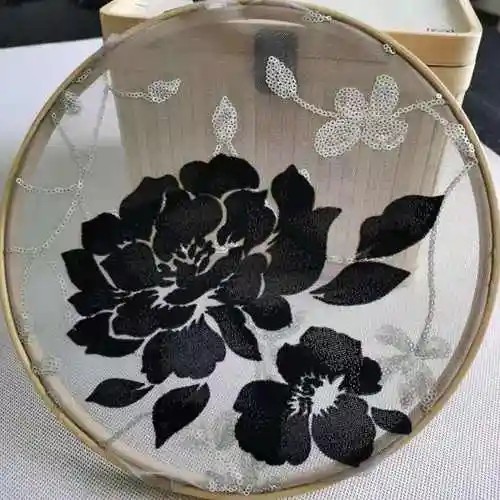
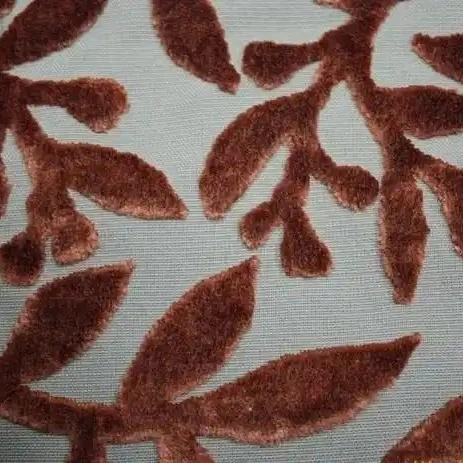
As a supplier of [Velvet Dyed Fabric], I am committed to providing my customers with the highest quality fabrics and the latest printing technologies. Whether you're looking for a simple pattern or a complex, custom design, I can help you bring your vision to life.
If you're interested in exploring the possibilities of printed velvet dyed fabric for your next project, I invite you to [contact me] for a consultation. We can discuss your specific needs, review design options, and provide you with a quote. I look forward to working with you to create something truly special.
References
- Textile Printing Handbook, John Wiley & Sons
- The Complete Guide to Fabric Printing, Fairchild Books
- Digital Textile Printing: Technology and Applications, Woodhead Publishing