

Patterns on dyed jacquard fabric are a fascinating blend of artistry and technology. As a supplier of dyed jacquard fabric, I've witnessed firsthand the intricate processes and creative minds behind these beautiful textiles. In this blog post, I'll take you through the journey of how patterns are created on dyed jacquard fabric, from the initial design concept to the final product.
The Design Phase
The creation of patterns on dyed jacquard fabric begins with a design concept. Designers draw inspiration from a wide range of sources, including nature, art, history, and current fashion trends. They sketch their ideas on paper or use digital design software to bring their visions to life.
When designing patterns for dyed jacquard fabric, designers must consider several factors. First, they need to understand the capabilities of the jacquard weaving process. Jacquard looms can create complex patterns with a high level of detail, but there are still limitations to what can be achieved. Designers must work within these constraints while still creating patterns that are visually appealing.
Second, designers need to think about the color palette. Since the fabric is dyed, the colors used in the pattern must be carefully selected to ensure they will look good when applied to the fabric. The designer may create a color scheme that complements the overall theme of the pattern or uses contrasting colors to create a bold and eye - catching effect.
Once the design is complete, it is converted into a digital format. This digital design serves as a blueprint for the jacquard loom. Specialized software is used to translate the design into a series of instructions that the loom can understand. These instructions tell the loom which warp and weft threads to raise and lower at each point in the weaving process, allowing the pattern to be created.

The Weaving Process
The jacquard weaving process is a key step in creating patterns on dyed jacquard fabric. Jacquard looms are equipped with a jacquard mechanism, which is controlled by the digital design. This mechanism allows for individual control of each warp thread, enabling the creation of highly detailed and complex patterns.
As the loom weaves, the warp threads are held under tension vertically, while the weft threads are passed horizontally through the warp threads. The jacquard mechanism raises and lowers the appropriate warp threads at each point in the weaving process, creating the pattern. For example, if a particular area of the pattern requires a certain color or texture, the jacquard mechanism will adjust the warp threads accordingly.
The speed and precision of the jacquard loom are crucial for creating high - quality patterns. Modern jacquard looms are highly automated and can weave at relatively high speeds while maintaining accuracy. However, the complexity of the pattern can affect the weaving speed. More intricate patterns may take longer to weave, as the loom needs to make more precise adjustments to the warp threads.
Dyeing the Fabric
After the fabric is woven, it is time for the dyeing process. Dyeing is an important step as it adds color to the pattern and gives the fabric its final look. There are several methods of dyeing jacquard fabric, including piece - dyeing, yarn - dyeing, and print - dyeing.
Piece - dyeing involves dyeing the entire piece of fabric after it has been woven. This method is suitable for creating solid - colored backgrounds or for adding a uniform color to the fabric. The fabric is immersed in a dye bath, and the dye is absorbed by the fibers. The length of time the fabric spends in the dye bath, the temperature of the bath, and the concentration of the dye all affect the final color.
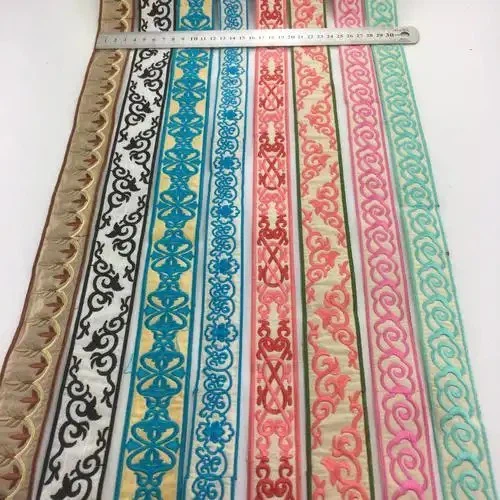
Yarn - dyeing, on the other hand, involves dyeing the yarns before they are woven into the fabric. This method allows for more complex color patterns, as different colored yarns can be used in the weaving process. Yarn - dyed jacquard fabrics often have a rich and textured appearance, as the different colors of the yarns interact to create the pattern.
Print - dyeing is a method where a pattern is printed onto the surface of the fabric using dyes. This method is useful for creating detailed and intricate patterns that may be difficult to achieve through weaving alone. Print - dyed jacquard fabrics can have a wide range of colors and designs, from realistic images to abstract patterns.
Quality Control
Throughout the process of creating patterns on dyed jacquard fabric, quality control is essential. At each stage, from design to dyeing, the fabric is inspected to ensure that it meets the required standards.
During the design phase, the digital design is checked for accuracy and clarity. Any errors or inconsistencies are corrected before the design is sent to the loom. In the weaving process, the fabric is monitored for any weaving defects, such as broken threads or uneven tension. These issues can affect the appearance of the pattern and must be addressed immediately.
After dyeing, the fabric is inspected for color fastness, which refers to the ability of the dye to remain on the fabric without fading or bleeding. The fabric is also checked for any color variations or uneven dyeing. Only fabrics that pass these quality control checks are considered suitable for sale.
Different Types of Jacquard Fabrics
There are various types of jacquard fabrics, each with its own unique characteristics and uses. For example, Embroidered Jacquard Fabric combines the beauty of jacquard weaving with the art of embroidery. The embroidery adds an extra layer of detail and texture to the fabric, making it ideal for high - end fashion and home decor items.
Christmas Jacquard Fabric is specifically designed for the holiday season. It often features festive patterns such as snowflakes, Christmas trees, and reindeer. This type of fabric is popular for making Christmas decorations, clothing, and table linens.

Cambric Jacquard Fabric is a lightweight and smooth fabric. It is known for its softness and breathability, making it suitable for summer clothing and lingerie. The jacquard patterns on cambric fabric can range from delicate floral designs to geometric shapes.
Contact for Purchase and Collaboration
If you are interested in purchasing our dyed jacquard fabric or collaborating on a custom project, we would love to hear from you. Our team of experts can provide you with detailed information about our products, including available patterns, colors, and fabric types. We are committed to providing high - quality fabrics at competitive prices and excellent customer service. Whether you are a fashion designer, a home decorator, or a manufacturer, we have the right dyed jacquard fabric for your needs.

References
- "Textile Science" by Robert G. McMahon. This book provides in - depth knowledge about textile manufacturing processes, including jacquard weaving and dyeing.
- "The Art of Jacquard Weaving" by Richard Laing. It offers a comprehensive guide to the history, techniques, and design aspects of jacquard weaving.
- Industry reports from textile research institutions, which provide up - to - date information on the latest trends and technologies in dyed jacquard fabric production.