

Hey there! As a process fabric supplier, I've seen my fair share of different fabrics and have learned a thing or two about comparing them. In this blog post, I'll share some tips on how to compare different process fabrics, so you can make the best choice for your project.
Understanding the Basics of Process Fabrics
First off, let's talk about what process fabrics are. Process fabrics are textiles that have undergone some form of treatment or modification after the initial weaving or knitting. This can include things like dyeing, printing, embossing, or adding embellishments. These processes can significantly change the look, feel, and performance of the fabric.
Factors to Consider When Comparing Process Fabrics
1. Material Composition
The material that the fabric is made from is a crucial factor. Common materials include cotton, silk, polyester, and blends. Each material has its own unique properties. For example, cotton is breathable and comfortable, making it great for everyday wear. Silk, on the other hand, is luxurious and has a beautiful drape. Polyester is durable and wrinkle - resistant. When comparing fabrics, think about the end - use of your product. If it's for a summer dress, a breathable cotton or a light silk blend might be ideal. If it's for a work uniform that needs to withstand a lot of wear and tear, a polyester blend could be a better choice.
2. Color and Pattern
Color and pattern play a big role in the aesthetic appeal of the fabric. When comparing different process fabrics, look at the quality of the color. Is it vibrant and long - lasting? Does it fade easily? For printed fabrics, check the sharpness and clarity of the pattern. Some printing methods, like digital printing, can produce very detailed and accurate patterns.
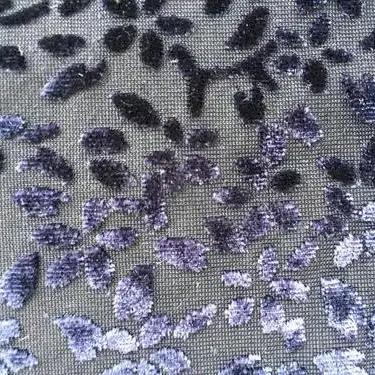

For example, if you're looking for a fabric with a bold, eye - catching pattern, you might consider Beaded Tulle Fabric. The beading adds an extra element of glamour, and the tulle gives it a light and airy feel.
3. Texture
The texture of the fabric can greatly affect how it feels and looks. Some fabrics are smooth and sleek, while others are rough or have a raised texture. For instance, velvet has a soft, plush texture that is very luxurious. When comparing process fabrics, run your hands over them to get a sense of the texture. A smooth fabric might be more suitable for formal wear, while a textured fabric could add interest to a casual piece.
Velvet Printed Fabric combines the softness of velvet with the visual appeal of a printed pattern. It's a great option for creating unique and stylish garments.
4. Durability
Durability is an important consideration, especially if the fabric will be used in high - wear items. Look at how well the fabric holds up to washing, stretching, and general use. Some fabrics, like denim, are known for their durability. Others may require more delicate handling. For example, silk can be more prone to damage, so it might not be the best choice for a rough - and - tumble item.
Velvet Dyed Fabric can vary in durability depending on the quality of the dye and the construction of the velvet. A well - made velvet dyed fabric can last a long time if properly cared for.
5. Cost
Cost is always a factor when choosing a fabric. Different process fabrics can vary widely in price. Generally, fabrics made from high - quality materials or those with complex processes will be more expensive. However, it's important to balance cost with quality. Sometimes, spending a little more on a better - quality fabric can save you money in the long run, as it will last longer and look better.
Comparing Fabrics in Person
One of the best ways to compare process fabrics is to see and touch them in person. You can visit a fabric store or request fabric samples from suppliers. When you have the samples in hand, you can really get a feel for the fabric's properties. Look at the fabric under different lighting conditions to see how the color and pattern look. Stretch the fabric to test its elasticity. Fold it to see how it creases.
Using Online Resources
If you can't see the fabrics in person, online resources can be very helpful. Many fabric suppliers have detailed product descriptions and high - resolution images on their websites. You can also read customer reviews to get an idea of the fabric's quality and performance. Some suppliers even offer virtual fabric swatches, which can give you a good sense of the color and pattern.
Making the Final Decision
After considering all these factors, it's time to make a decision. Think about your project's requirements, your budget, and your personal preferences. Remember, there's no one - size - fits - all answer. The best fabric for your project will depend on a variety of factors.
If you're still unsure, don't hesitate to reach out to us. As a process fabric supplier, we're here to help you find the perfect fabric for your needs. Whether you're a fashion designer, a crafter, or a business owner, we can provide you with expert advice and high - quality fabrics.
So, if you're interested in purchasing process fabrics, we'd love to have a chat with you. Just drop us a message, and we'll be happy to discuss your requirements and help you find the right fabric.
References
- Textile Industry Handbook: A comprehensive guide to different fabric types and processes.
- Fashion Design Magazines: Articles on the latest trends in process fabrics.
- Online Fabric Communities: Discussions and reviews from other fabric users.