

Is it easy to learn dressmaking with lace? This is a question that many aspiring dressmakers often ask. As a lace for dressmaking supplier, I've had the opportunity to interact with numerous customers and understand their experiences in using lace for dressmaking. In this blog, I'll share my insights on the ease of learning dressmaking with lace, the challenges involved, and how our products can assist in the process.
The Allure of Lace in Dressmaking
Lace has long been a favorite material in the world of fashion. Its delicate, intricate patterns add a touch of elegance and femininity to any garment. From bridal gowns to evening dresses, lace can transform a simple design into a work of art. The variety of lace available in the market, such as Chantilly lace, Alençon lace, and guipure lace, offers endless possibilities for creativity.

One of the main reasons why lace is so appealing in dressmaking is its versatility. It can be used as an overlay, a trim, or even as the main fabric for a dress. For example, a sheer lace overlay can add a romantic and ethereal look to a cocktail dress, while a lace trim can enhance the neckline or hem of a blouse. The ability to combine different types of lace and fabrics also allows for unique and personalized designs.
The Learning Curve of Dressmaking with Lace
While lace offers many benefits in dressmaking, it also presents some challenges, especially for beginners. One of the main difficulties is handling the delicate nature of lace. Lace is prone to tearing and fraying, which requires careful cutting and handling. Unlike other fabrics, lace often has a directional pattern that needs to be considered when cutting to ensure that the design is consistent throughout the garment.
Another challenge is sewing with lace. The thin and delicate nature of lace can make it difficult to sew, especially when using a regular sewing machine. The needle can easily catch on the lace, causing it to bunch up or tear. To overcome this, it's important to use a fine needle and a slow sewing speed. Some dressmakers also recommend using a stabilizer or interfacing to support the lace while sewing.
In addition to the technical challenges, learning to work with lace also requires an understanding of its properties and how it behaves. For example, some types of lace are more stretchy than others, which can affect the fit and drape of the garment. It's important to test the lace before starting a project to determine its stretch and how it will interact with other fabrics.
How Our Lace Products Can Help
As a lace for dressmaking supplier, we understand the challenges that dressmakers face when working with lace. That's why we offer a wide range of high-quality lace products that are designed to be easy to work with. Our lace is carefully selected and tested to ensure that it has the right balance of durability and delicacy.
One of our popular products is the Hot Gold Woven Fabric. This fabric combines the elegance of lace with the warmth of gold, creating a unique and eye-catching look. The woven construction of the fabric makes it more stable and less prone to fraying, making it easier to cut and sew. It's perfect for creating statement pieces such as evening gowns and bridal dresses.
Another product that we recommend for beginners is the Hot Gold Leather Fabric. This fabric has a soft and supple texture, making it easy to handle. The gold finish adds a touch of luxury to any garment, and the leather backing provides extra stability. It's ideal for creating accessories such as handbags and belts, as well as adding accents to dresses and tops.
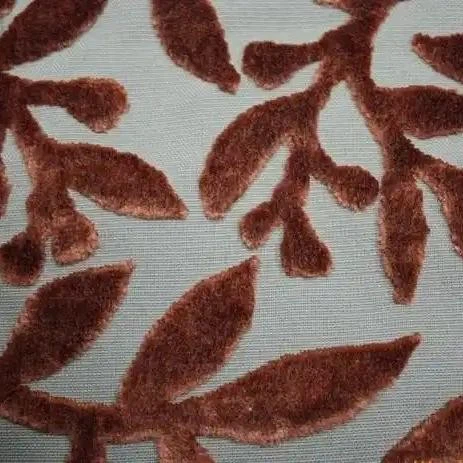
For those who prefer a more textured look, our Flocked Fabric is a great choice. The flocking process adds a layer of soft, velvety fibers to the lace, creating a rich and luxurious appearance. This fabric is easy to work with and can be used to create a variety of garments, from jackets to skirts.
Tips for Learning Dressmaking with Lace
If you're new to dressmaking with lace, here are some tips to help you get started: - Start with simple projects: Begin with small projects such as a lace trim for a blouse or a simple lace overlay for a skirt. This will allow you to practice your skills without feeling overwhelmed. - Invest in good quality tools: A sharp pair of scissors, a fine needle, and a good quality sewing machine are essential for working with lace. Make sure to choose tools that are suitable for the type of lace you're using. - Test the lace before starting a project: Cut a small piece of lace and test it with your sewing machine to see how it behaves. This will help you determine the best settings and techniques for sewing with the lace. - Use a stabilizer or interfacing: As mentioned earlier, a stabilizer or interfacing can help support the lace while sewing and prevent it from bunching up or tearing. - Practice your sewing skills: Sewing with lace requires patience and practice. Take the time to practice your stitches on a scrap piece of lace before starting your project.
Conclusion
Learning to make dresses with lace can be a rewarding experience, but it also requires patience, practice, and the right tools. While there are some challenges involved, the beauty and elegance of lace make it well worth the effort. As a lace for dressmaking supplier, we're committed to providing high-quality lace products that are easy to work with and help you create beautiful garments.

If you're interested in purchasing our lace products or have any questions about dressmaking with lace, please feel free to contact us. We'd be happy to assist you in your dressmaking journey.
References
- Paoletti, Jo B. "A Social History of Lace." Berg, 2009.
- Arnold, Janet. "Patterns of Fashion: The Cut and Construction of Clothes for Men and Women c.1560–1620." Macmillan, 1985.
- McQuiston, Elizabeth. "The Complete Photo Guide to Sewing." Reader's Digest, 2009.