

Hey there! I'm a supplier of Tie Dye Jersey Fabric, and today I wanna chat about whether this cool fabric is sustainable. It's a hot topic these days, and as someone in the biz, I've got some insights to share.
Let's start with what Tie Dye Jersey Fabric is. It's a type of knitted fabric that's been given that awesome tie - dye look. It's super popular in the fashion world, used for all sorts of stuff like t - shirts, dresses, and even sportswear. The process of tie - dyeing involves binding parts of the fabric and then applying dyes to create unique patterns.
The Sustainability of the Raw Materials
One of the first things to consider when talking about sustainability is the raw materials. Most Tie Dye Jersey Fabrics are made from cotton, which is a natural fiber. Cotton is renewable, as it comes from plants that can be grown year after year. However, the way cotton is grown can have a big impact on the environment.
Conventional cotton farming often uses a ton of pesticides and fertilizers. These chemicals can contaminate the soil, water, and air. They can also harm wildlife and the health of farmers. But there's a better option: organic cotton. Organic cotton is grown without the use of synthetic pesticides and fertilizers. It's better for the environment and the people involved in the farming process.
As a supplier, I make sure to source my cotton from organic farms whenever possible. This way, I can offer a more sustainable product to my customers. By choosing organic cotton, we can reduce the environmental impact of the fabric from the very start.
The Dyeing Process
The dyeing process is another crucial aspect of the sustainability of Tie Dye Jersey Fabric. Traditional dyeing methods can be pretty harmful to the environment. Many dyes contain heavy metals and other toxic chemicals that can end up in waterways. These chemicals can harm aquatic life and contaminate drinking water.
However, there are more sustainable dyeing options available. Natural dyes, for example, are made from plants, minerals, and even insects. They're biodegradable and don't contain harmful chemicals. Using natural dyes can significantly reduce the environmental impact of the dyeing process.
At my company, we're constantly looking for ways to improve our dyeing process. We're experimenting with natural dyes and trying to minimize the use of synthetic dyes. It's a bit of a challenge, but it's worth it to offer a more sustainable product.

The Durability of Tie Dye Jersey Fabric
Durability is also an important factor in sustainability. A fabric that lasts longer means less waste. Tie Dye Jersey Fabric is generally quite durable. It's a knitted fabric, which makes it stretchy and resistant to wear and tear. This means that products made from Tie Dye Jersey Fabric can be used for a long time.
When a fabric is durable, it reduces the need for frequent replacements. This, in turn, reduces the amount of waste that ends up in landfills. As a supplier, I always encourage my customers to take good care of their Tie Dye Jersey products. Simple things like washing them in cold water and avoiding harsh detergents can help extend the life of the fabric.
Comparing with Other Dyed Knitted Fabrics
Let's take a look at how Tie Dye Jersey Fabric compares with other dyed knitted fabrics. For example, Terry Dyed Knitted Fabric. Terry fabric is often used for towels and bathrobes. It has a different texture and absorbency compared to Tie Dye Jersey Fabric.
Terry Dyed Knitted Fabric is usually made from cotton as well, but its production process might have different environmental impacts. The dyeing process for terry fabric might require more water and energy due to its thicker and more absorbent nature.
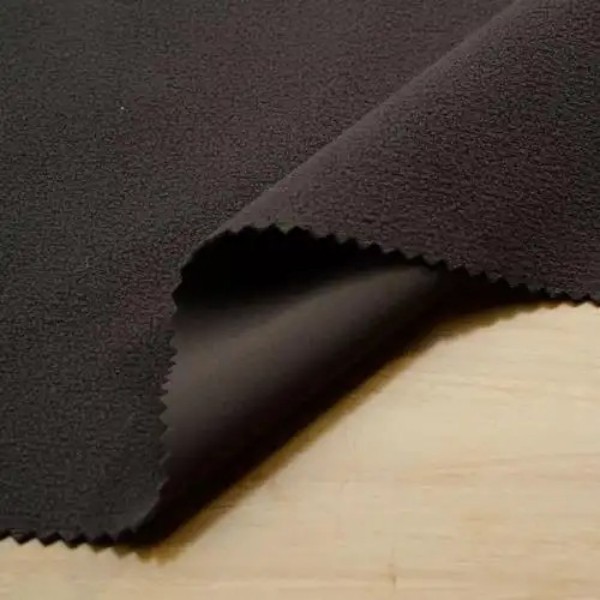
Another example is Polar Fleece Dyed Knitted Fabric. Polar fleece is a synthetic fabric made from polyester. While it's warm and lightweight, polyester is derived from petroleum, a non - renewable resource. The production of polyester also involves a lot of energy and can release harmful chemicals into the environment.
On the other hand, Flannelette Dyed Knitted Fabric is often made from cotton. It has a soft, fuzzy texture and is commonly used for pajamas and bedding. Similar to Tie Dye Jersey Fabric, its sustainability depends on the raw materials and the dyeing process.
The Social Aspect of Sustainability
Sustainability isn't just about the environment; it's also about the people involved in the production process. When I source my materials and produce my Tie Dye Jersey Fabric, I make sure to work with suppliers and manufacturers who treat their workers fairly.
This means providing safe working conditions, fair wages, and opportunities for professional development. By supporting ethical production, we can make a positive impact on the lives of the people who make our products.
Is Tie Dye Jersey Fabric Sustainable?
So, is Tie Dye Jersey Fabric sustainable? Well, it can be. If we use organic cotton, sustainable dyeing methods, and focus on durability, we can make a more sustainable product. However, there's always room for improvement.
As a supplier, I'm committed to continuously improving the sustainability of my Tie Dye Jersey Fabric. I'm constantly researching new materials and production methods to reduce the environmental impact of my products.
If you're interested in purchasing Tie Dye Jersey Fabric or want to learn more about our sustainable practices, feel free to reach out. We're always happy to have a chat and discuss how we can work together to make more sustainable fashion choices.
References
- Textile Exchange. (2023). Organic Cotton Market Report.
- World Wildlife Fund. (2023). Sustainable Cotton Initiative.
- Environmental Protection Agency. (2023). Dyeing and Finishing of Textiles.