

What are the anti - mildew properties of dyed knitted fabric?
As a supplier of dyed knitted fabric, I've had the privilege of witnessing firsthand the diverse applications and characteristics of these materials. One crucial aspect that often comes under scrutiny is the anti - mildew properties of dyed knitted fabric. In this blog, we'll delve into the factors that influence these properties, the methods of enhancing them, and why they matter in various industries.
Understanding Mildew and Its Impact on Dyed Knitted Fabric
Mildew is a type of fungus that thrives in warm, damp, and poorly ventilated environments. It can cause a variety of problems for dyed knitted fabric. Not only does it lead to an unpleasant odor, but it can also damage the fabric's structure, cause discoloration, and reduce its overall lifespan. For consumers, mildew - affected fabric can be a source of discomfort and health concerns, as some people may be allergic to mildew spores.
In industries such as fashion, home textiles, and sportswear, the presence of mildew can be a significant drawback. Retailers and manufacturers strive to provide products that are not only aesthetically pleasing but also durable and hygienic. This is where the anti - mildew properties of dyed knitted fabric become crucial.
Factors Affecting Anti - Mildew Properties
The anti - mildew properties of dyed knitted fabric are influenced by several factors, including the type of fiber, the dyeing process, and the finishing treatments applied.
Fiber Type
Different fibers have varying levels of susceptibility to mildew. Natural fibers such as cotton and wool are more prone to mildew growth because they are organic materials that can absorb moisture easily. Synthetic fibers like polyester and nylon, on the other hand, are generally more resistant to mildew due to their hydrophobic nature.
For example, Rayon Dyed Knitted Fabric is made from regenerated cellulose fibers. While it offers a soft and comfortable feel, it can be more susceptible to mildew compared to synthetic alternatives. However, advancements in fiber technology have led to the development of rayon blends that incorporate synthetic fibers to improve their anti - mildew properties.
Dyeing Process
The dyeing process can also impact the anti - mildew properties of the fabric. Some dyes may contain chemicals that inhibit mildew growth, while others may not. Additionally, the way the dye is applied and fixed to the fabric can affect its resistance to mildew. For instance, if the dyeing process does not thoroughly penetrate the fibers, it may leave areas where mildew can thrive.

Finishing Treatments
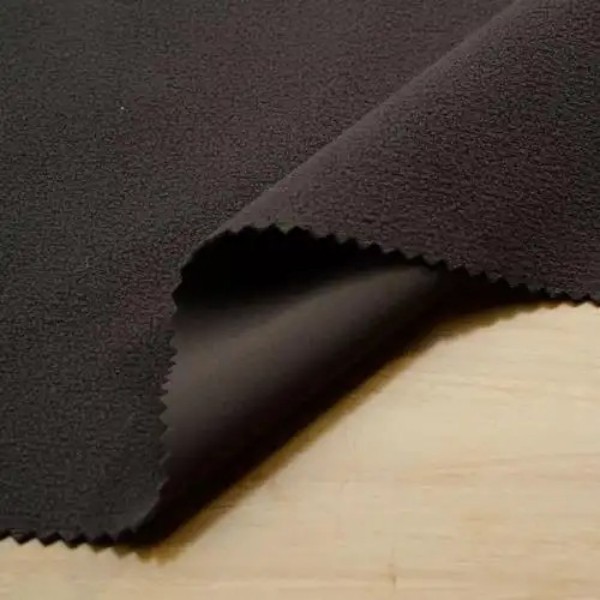
Finishing treatments play a vital role in enhancing the anti - mildew properties of dyed knitted fabric. These treatments can include the application of anti - mildew agents, which are chemicals that prevent the growth of mildew on the fabric's surface. Some common anti - mildew agents include silver - based compounds, which have antibacterial and antifungal properties.
Methods of Enhancing Anti - Mildew Properties
There are several methods that can be employed to enhance the anti - mildew properties of dyed knitted fabric.
Incorporating Anti - Mildew Agents
As mentioned earlier, the application of anti - mildew agents during the finishing process is one of the most effective ways to improve the fabric's resistance to mildew. These agents can be applied through various methods, such as padding, spraying, or dipping. The choice of anti - mildew agent depends on the type of fabric, the intended use, and the desired level of protection.
Blending Fibers
Blending natural fibers with synthetic fibers is another way to enhance the anti - mildew properties of dyed knitted fabric. By combining the advantages of both types of fibers, manufacturers can create fabrics that are both comfortable and resistant to mildew. For example, a blend of cotton and polyester can offer the softness of cotton and the mildew resistance of polyester.
Proper Storage and Maintenance
Proper storage and maintenance of dyed knitted fabric are also essential for preventing mildew growth. Fabrics should be stored in a dry, well - ventilated area, away from direct sunlight. Regular cleaning and drying can also help to remove any moisture that may promote mildew growth.
Importance of Anti - Mildew Properties in Different Industries
The anti - mildew properties of dyed knitted fabric are of great importance in various industries.
Fashion Industry
In the fashion industry, consumers expect their clothing to be not only stylish but also durable and hygienic. Mildew - resistant dyed knitted fabric can ensure that garments maintain their quality over time, even in humid conditions. This is particularly important for outdoor clothing and activewear, which are often exposed to sweat and moisture.
Home Textiles
Home textiles such as bedding, curtains, and upholstery are also susceptible to mildew growth. Using dyed knitted fabric with good anti - mildew properties can help to keep these items fresh and clean, reducing the risk of unpleasant odors and health problems. For example, Flannelette Dyed Knitted Fabric is commonly used for bedding, and its anti - mildew properties can enhance the comfort and longevity of the bedding.
Sportswear Industry
In the sportswear industry, athletes require clothing that can withstand intense physical activity and moisture. Mildew - resistant dyed knitted fabric can prevent the growth of bacteria and fungi, which can cause odor and skin irritation. Terry Dyed Knitted Fabric is often used in sportswear due to its absorbent and soft nature, and enhancing its anti - mildew properties can make it more suitable for athletes.
Conclusion
The anti - mildew properties of dyed knitted fabric are influenced by a variety of factors, including fiber type, dyeing process, and finishing treatments. By understanding these factors and employing appropriate methods to enhance the anti - mildew properties, manufacturers can produce high - quality fabrics that meet the needs of different industries.
If you're in the market for dyed knitted fabric with excellent anti - mildew properties, we're here to help. Our company offers a wide range of dyed knitted fabrics, including Rayon Dyed Knitted Fabric, Flannelette Dyed Knitted Fabric, and Terry Dyed Knitted Fabric. We're committed to providing our customers with the best products and services. If you have any questions or would like to discuss your specific requirements, please don't hesitate to reach out. We look forward to the opportunity to work with you and meet your fabric needs.
References
- "Textile Science and Technology" by J. W. S. Hearle
- "Handbook of Textile Finishing" by W. S. C. Gurney