

What are the common widths of floral woven fabric?
As a dedicated supplier of floral woven fabric, I've witnessed firsthand the diverse needs and preferences of our clients. One of the most frequently asked questions we encounter revolves around the common widths of floral woven fabric. In this blog, I'll delve into this topic, shedding light on the standard measurements, the factors influencing width choices, and how these widths impact different applications.
Standard Widths in the Industry
The textile industry has established some standard widths for floral woven fabric, which are widely adopted by manufacturers and preferred by customers. The most common widths range from 44 inches (112 cm) to 60 inches (152 cm).
Fabric with a width of 44 inches is a popular choice. It's a versatile option that strikes a balance between usability and manageability. This width is often used for a variety of projects, including dressmaking, home decor items like curtains and pillow covers, and small to medium - sized upholstery projects. Its relatively narrow width makes it easier to handle during cutting and sewing processes, especially for novice sewers or those working on smaller batches of products.
On the other hand, 60 - inch wide floral woven fabric is highly sought after for larger projects. This width is ideal for making full - length curtains that require less sewing of side seams, resulting in a more seamless look. In the realm of apparel, it can be used for creating wide - width garments such as maxi dresses or wide - leg pants without the need for additional side paneling. It also offers significant savings in fabric waste, as patterns can be more efficiently laid out on a wider piece of fabric.
Apart from these standard widths, some specialty or custom - made floral woven fabrics can come in other widths. For example, we also deal with widths like 36 inches (91 cm) for certain traditional or niche applications, and wider widths up to 108 inches (274 cm) for large - scale commercial upholstery projects or stage backdrops.
Factors Influencing Width Choices
Several factors influence the choice of width when it comes to floral woven fabric.
Project Requirements: The nature of the project is the primary determinant. If you're making a simple blouse, a 44 - inch wide fabric may be sufficient. But for a grand curtain that needs to span a large window without many seams, a 60 - inch or wider fabric would be more appropriate. Similarly, upholstery for large sofas or chairs may require wider fabric to ensure a smooth and continuous pattern.
Pattern Design: Floral patterns can vary greatly in size and complexity. Some large - scale floral designs may require a wider fabric width to showcase the pattern in its entirety without being cut off or distorted. For instance, a fabric with oversized floral motifs may look best when used on a 60 - inch wide fabric, allowing the flowers to flow seamlessly across the piece.
Manufacturing Constraints: The production process of the fabric can also limit the available widths. Some weaving looms are designed to produce fabric within a certain width range. Manufacturers may face technical challenges or increased costs when trying to produce fabric beyond their standard width capabilities.
Cost Considerations: Generally, wider fabrics tend to be more expensive per yard due to the increased amount of materials used during production. However, this may be offset by the reduction in fabric waste and potential savings in labor costs for projects that require less seam joining. Customers need to weigh these cost factors when choosing the right width for their projects.
Impact of Width on Different Applications
Apparel: In the fashion industry, fabric width plays a crucial role in garment construction. For clothing designers, a wider fabric width offers more design freedom. They can create garments with a more flowing silhouette and fewer seams, resulting in a more comfortable and stylish fit. For example, a designer using a 60 - inch wide Pure Silk Printed Woven Fabric can make a flowing evening gown without having to piece together multiple fabric panels. On the other hand, a 44 - inch wide fabric may be more suitable for making smaller, more structured pieces like shirts or blouses.
Home Decor: When it comes to home decor, the width of the floral woven fabric can significantly affect the overall look and functionality of the item. For curtains, a wider fabric width can create a more luxurious and elegant appearance. A single panel of 60 - inch wide fabric can cover a standard - sized window without the need for additional side panels, giving the curtains a more uniform and seamless look. Pillow covers and tablecloths can also benefit from wider fabrics, as they allow for larger floral patterns to be displayed more effectively.
Upholstery: In the upholstery industry, fabric width is essential for achieving a professional finish. A wider fabric width can be used to cover large furniture pieces like sofas and armchairs without the need for multiple fabric pieces to be sewn together. This not only reduces the visibility of seams but also ensures that the floral pattern on the fabric is continuous and aesthetically pleasing. For example, a Blended Printed Woven Fabric in a wide width can be used to create a cohesive look for a sectional sofa.
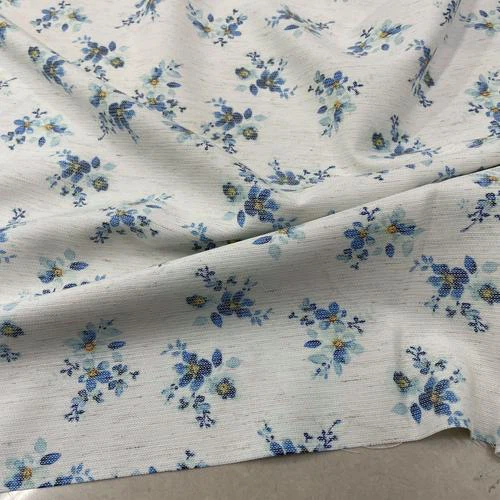
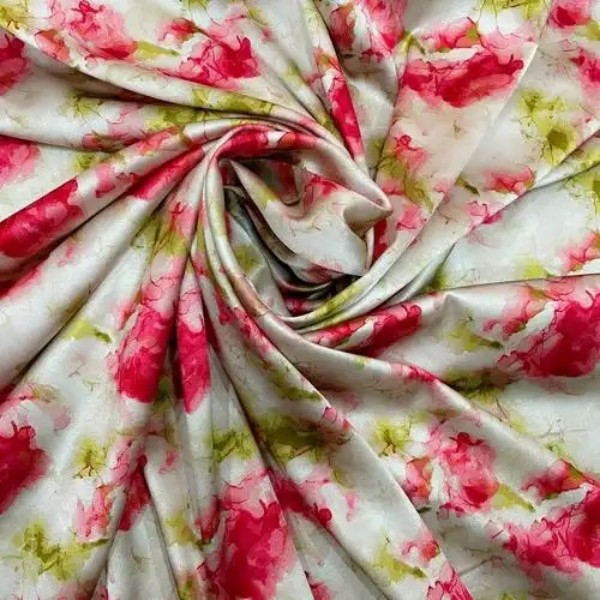
Special Considerations for Different Types of Floral Woven Fabrics
Different types of floral woven fabrics may have specific considerations regarding width.
Natural Fibers: Fabrics made from natural fibers such as cotton, linen, and silk often come in the standard widths mentioned earlier. However, due to the nature of these fibers, they may be more prone to shrinkage during washing or finishing processes. When choosing the width for natural fiber floral woven fabrics, it's important to take potential shrinkage into account, especially for projects where precise measurements are crucial.
Synthetic Fibers: Synthetic fibers like polyester and nylon can be more consistent in terms of width and may be available in a wider range of widths compared to natural fibers. These fabrics are also less likely to shrink, making them a popular choice for projects that require stability and durability. For example, a Linen - cotton Printed Woven Fabric, which is a blend of natural and synthetic fibers, combines the best of both worlds, offering the aesthetic appeal of natural fibers with the stability of synthetic fibers.
How We Can Help You
As a leading supplier of floral woven fabric, we understand the importance of choosing the right width for your specific needs. Whether you're a fashion designer, a home decor enthusiast, or an upholsterer, we have a wide range of floral woven fabrics available in different widths to meet your requirements. Our team of experts is always ready to provide you with professional advice on fabric selection, width choices, and usage guidance.
If you're interested in discussing your floral woven fabric needs, we invite you to get in touch with us. We look forward to partnering with you on your next project and helping you bring your creative visions to life.
References
- Textile Institute. "Handbook of Textile Science and Technology." 2nd Edition. CRC Press.
- Woven Fabric Handbook: A Complete Guide to Fabrics and Their Uses. Industrial Press Inc.