

What is the Fire - Resistance of Velvet Printed Fabric?
As a dedicated supplier of Velvet Printed Fabric, I've received numerous inquiries about the fire - resistance of this exquisite material. In this blog, I'll delve into the topic, exploring the factors that influence the fire - resistance of velvet printed fabric, and providing insights into how it can be enhanced.
Understanding Velvet Printed Fabric
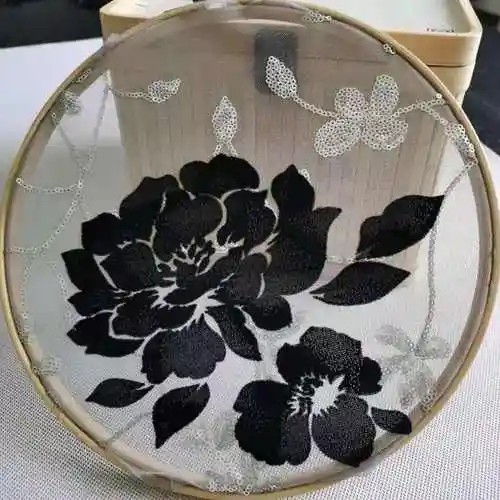
Velvet is a luxurious fabric known for its softness, sheen, and rich texture. Printed velvet combines the elegance of velvet with the creativity of printed patterns, making it a popular choice for a wide range of applications, from fashion and home decor to upholstery.
The base of velvet fabric is typically made from natural fibers such as silk, cotton, or a blend of synthetic fibers like polyester. The printing process adds an extra layer of visual appeal, but it can also impact the fabric's properties, including its fire - resistance.

Factors Affecting Fire - Resistance
- Fiber Composition
The type of fibers used in the velvet fabric plays a crucial role in determining its fire - resistance. Natural fibers like silk and cotton are generally more flammable than synthetic fibers. Silk, for example, has a relatively low ignition temperature and burns quickly. Cotton also burns readily, but it can be treated to improve its fire - resistance.
Synthetic fibers such as polyester have better inherent fire - resistance compared to natural fibers. Polyester has a higher melting point and is less likely to catch fire and spread flames. However, it can melt and drip when exposed to high heat, which can pose a different kind of hazard. - Printing Inks
The inks used in the printing process can also affect the fire - resistance of the velvet fabric. Some inks may contain chemicals that can either enhance or reduce the fabric's ability to resist fire. For instance, inks with flame - retardant additives can improve the fire - resistance of the fabric. On the other hand, inks that are highly flammable can increase the risk of the fabric catching fire. - Finishing Treatments
Finishing treatments are often applied to velvet printed fabric to improve its performance and appearance. Flame - retardant treatments are one such option. These treatments involve applying chemicals to the fabric that can slow down or prevent the spread of fire. Common flame - retardant chemicals include phosphates, brominates, and nitrogen - based compounds.
The effectiveness of these treatments depends on the type and concentration of the chemicals used, as well as the application method. Properly applied flame - retardant treatments can significantly improve the fire - resistance of velvet printed fabric.
Measuring Fire - Resistance
There are several standardized tests used to measure the fire - resistance of fabrics. One of the most common tests is the Vertical Flame Test (ASTM D6413). In this test, a fabric sample is vertically suspended and exposed to a flame for a specified period. The fabric's performance is evaluated based on its ignition time, flame spread rate, and after - glow time.
Another important test is the Cone Calorimeter Test (ASTM E1354). This test measures the heat release rate, mass loss rate, and smoke production of the fabric when exposed to a controlled heat source. The results of these tests can provide valuable information about the fabric's fire - resistance and its potential to cause harm in a fire situation.
Enhancing Fire - Resistance
As a supplier of Velvet Printed Fabric, we take several steps to enhance the fire - resistance of our products.
- Selecting the Right Fibers
We carefully choose the fibers used in our velvet printed fabric to ensure a good balance between softness, appearance, and fire - resistance. For applications where fire - safety is a concern, we may opt for synthetic fibers or blends that have better inherent fire - resistance. - Using Flame - Retardant Inks
We work with ink suppliers to develop printing inks that contain flame - retardant additives. These inks not only add beautiful patterns to the fabric but also help improve its fire - resistance. - Applying Flame - Retardant Treatments
Our fabric undergoes professional flame - retardant treatments to meet the relevant fire - safety standards. We ensure that the treatments are applied evenly and thoroughly to the fabric to achieve the best results.
Applications and Fire - Safety
Velvet printed fabric is used in a variety of applications, each with its own fire - safety requirements.
- Fashion
In the fashion industry, fire - resistance is an important consideration, especially for clothing worn in high - risk environments such as workplaces with open flames or electrical hazards. Our velvet printed fabric can be used to create stylish and safe clothing that meets the necessary fire - safety standards. - Home Decor
For home decor applications such as curtains, upholstery, and bedding, fire - resistance is crucial to prevent the spread of fire in case of an accident. Our fire - resistant velvet printed fabric can add a touch of luxury to your home while providing peace of mind. - Theatrical and Event Staging
In theatrical productions and event staging, where large amounts of fabric are used, fire - safety is of utmost importance. Our fire - resistant velvet printed fabric can be used to create stunning backdrops, costumes, and props that meet the strict fire - safety regulations.
Comparing with Other Fabrics
When considering the fire - resistance of velvet printed fabric, it's interesting to compare it with other types of fabrics. For example, Hot Gold Woven Fabric and Flocked Fabric may have different fire - resistance properties.
Hot Gold Woven Fabric often has a unique texture and appearance. Depending on its fiber composition and finishing treatments, its fire - resistance can vary. Flocked Fabric, with its raised fibers, may also have different fire - behavior compared to velvet. Pressed Fabric is another option, and its fire - resistance will depend on the materials and processes used in its production.
Contact for Purchase and Consultation
If you're interested in purchasing our Velvet Printed Fabric or have any questions about its fire - resistance, please feel free to contact us. We're committed to providing high - quality products that meet your specific needs and safety requirements. Whether you're a fashion designer, interior decorator, or event planner, we can offer you the best solutions for your projects.
References
- ASTM International. (2023). ASTM D6413 - 19a: Standard Test Method for Flame Resistance of Textiles (Vertical Test).
- ASTM International. (2023). ASTM E1354 - 22: Standard Test Method for Heat and Visible Smoke Release Rates for Materials and Products Using an Oxygen Consumption Calorimeter.
- Textile Institute. (2022). Handbook of Textile Fire Safety.