

Hey there! As a supplier of Velvet Dyed Fabric, I often get asked about its moisture - absorption capacity. So, I thought I'd dive deep into this topic and share what I've learned over the years.
First off, let's talk about what moisture - absorption capacity actually means. It's basically how much water a fabric can soak up. This is super important for a bunch of reasons. For one, it affects how comfortable the fabric is to wear. If a fabric can't absorb moisture well, you'll end up feeling sweaty and sticky, which is definitely not a good look or feeling.
Now, when it comes to velvet dyed fabric, its moisture - absorption capacity can vary depending on a few factors. One of the main factors is the type of fiber used in the velvet. Most velvet fabrics are made from natural fibers like cotton or silk, or synthetic fibers like polyester.
Natural fibers like cotton and silk are known for their relatively high moisture - absorption capacity. Cotton, for example, can absorb up to 27 times its own weight in water. Silk is also pretty good at absorbing moisture, although not quite as much as cotton. When these natural fibers are used in velvet dyed fabric, they can help the fabric wick away sweat from the body, keeping you cool and dry.
On the other hand, synthetic fibers like polyester have a lower moisture - absorption capacity. Polyester is hydrophobic, which means it repels water. While this can be an advantage in some situations, like when you want a fabric that dries quickly, it can also make the fabric less comfortable to wear in hot and humid conditions.
Another factor that affects the moisture - absorption capacity of velvet dyed fabric is the dyeing process. Some dyes can actually reduce the fabric's ability to absorb moisture. For example, if a fabric is dyed with a heavy - duty dye that coats the fibers, it can create a barrier that prevents water from being absorbed. That's why it's important to use high - quality dyes that don't interfere with the fabric's natural properties.
The structure of the velvet also plays a role in its moisture - absorption capacity. Velvet has a unique pile structure, which consists of short, dense fibers that stand upright. This pile can trap air, which helps to regulate body temperature and can also affect how the fabric absorbs moisture. A thicker pile may be able to hold more moisture, but it can also take longer to dry.
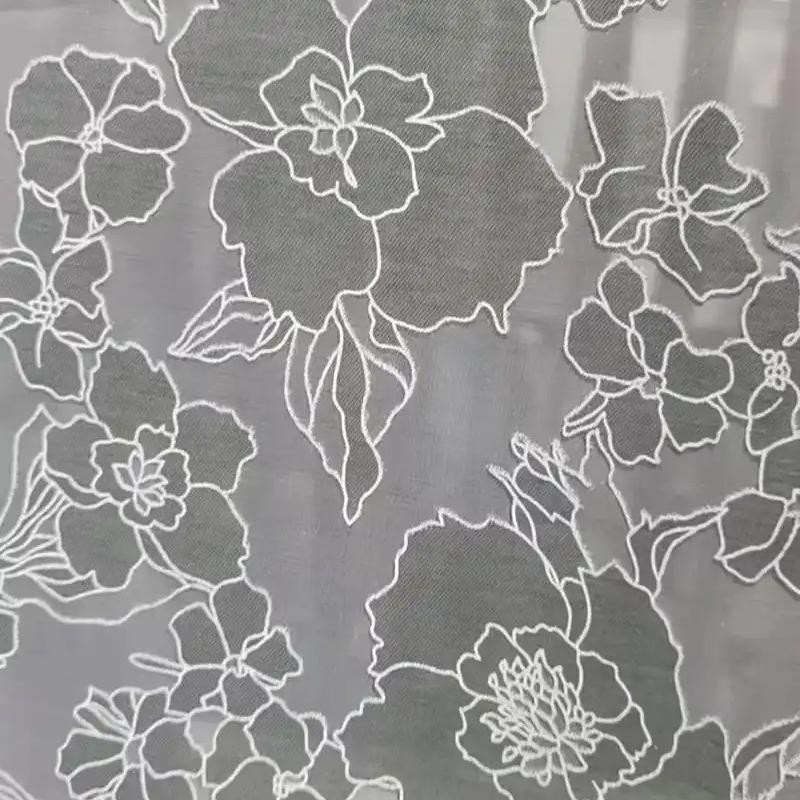

So, how can you tell if a velvet dyed fabric has good moisture - absorption capacity? One way is to do a simple test at home. Take a small piece of the fabric and place a few drops of water on it. If the water is quickly absorbed into the fabric, it's a good sign that the fabric has a decent moisture - absorption capacity. If the water beads up on the surface, it may indicate that the fabric has a lower moisture - absorption capacity.
Now, let's talk about some of the other types of fabrics we offer. We also have Pressed Fabric, which is a great option for those who want a more structured look. Pressed fabric has a smooth surface and can be used in a variety of applications, from clothing to home decor.
Another type of fabric we offer is Hot Gold Woven Fabric. This fabric has a beautiful metallic sheen and is perfect for adding a touch of glamour to any project. It's also quite durable and can withstand regular wear and tear.
And then there's Velvet Printed Fabric. This fabric combines the softness of velvet with unique printed designs. It's a great choice for creating one - of - a - kind clothing or home decor items.
If you're in the market for high - quality velvet dyed fabric or any of our other fabrics, I'd love to hear from you. Whether you're a fashion designer looking for the perfect fabric for your next collection, or a home decorator wanting to add a touch of luxury to your space, we've got you covered. Just reach out to us, and we can discuss your specific needs and how we can help you find the right fabric for your project.
In conclusion, the moisture - absorption capacity of velvet dyed fabric is an important factor to consider when choosing a fabric. By understanding the factors that affect it, you can make an informed decision and choose a fabric that meets your needs. So, don't hesitate to get in touch and start your fabric - buying journey with us!
References:
- Textile Science textbooks
- Industry research on fabric properties