

What is the sheen of denim jacquard fabric?
As a dedicated supplier of Denim Jacquard Fabric, I've witnessed firsthand the allure and versatility of this remarkable textile. Denim jacquard fabric is a unique blend of traditional denim's ruggedness and the intricate patterns achievable through jacquard weaving. In this blog, I'll delve into the concept of the sheen of denim jacquard fabric, exploring its characteristics, production processes, and applications.
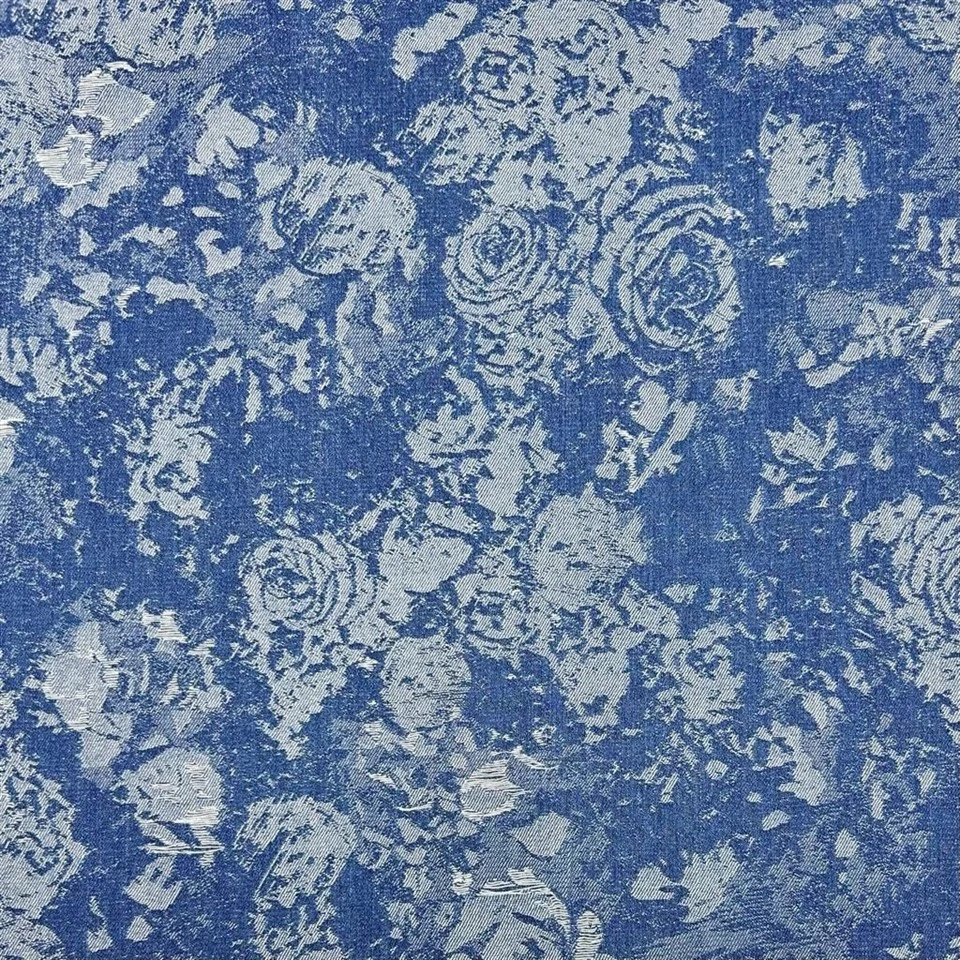

Understanding the Sheen of Denim Jacquard Fabric
The sheen of a fabric refers to its ability to reflect light, creating a lustrous or shiny appearance. In the case of denim jacquard fabric, the sheen can vary depending on several factors, including the type of fibers used, the weaving technique, and the finishing processes applied.
Fiber Composition
The choice of fibers plays a crucial role in determining the sheen of denim jacquard fabric. Cotton is the most common fiber used in denim production, and it typically has a natural, subdued sheen. However, adding synthetic fibers such as polyester or rayon can enhance the fabric's sheen, giving it a more polished and reflective appearance. For example, a blend of cotton and polyester can create a fabric with a subtle sheen that is both durable and easy to care for.
Weaving Technique
The jacquard weaving technique is what sets denim jacquard fabric apart from traditional denim. This method allows for the creation of intricate patterns and designs by controlling individual warp and weft threads. The way the threads are interlaced can affect the fabric's sheen. For instance, a tight weave with a high thread count can result in a smoother surface, which reflects light more evenly and creates a more pronounced sheen. On the other hand, a looser weave may have a more matte finish with less sheen.
Finishing Processes
After the fabric is woven, various finishing processes can be applied to enhance its sheen. These processes may include dyeing, printing, and treatment with chemicals or coatings. For example, a fabric may be treated with a silicone-based finish to give it a slippery, shiny surface. Additionally, some finishes can help to protect the fabric from stains and wrinkles, while also enhancing its overall appearance.
The Production Process of Denim Jacquard Fabric
The production of denim jacquard fabric involves several steps, each of which contributes to the final sheen and quality of the fabric.
Yarn Preparation
The first step in the production process is to prepare the yarns. This typically involves spinning the fibers into yarns of the desired thickness and quality. The yarns are then dyed to achieve the desired color. In the case of denim, indigo is the most commonly used dye, giving the fabric its characteristic blue color.
Weaving
Once the yarns are prepared, they are woven together using a jacquard loom. The jacquard loom allows for the creation of complex patterns and designs by controlling the movement of individual warp and weft threads. The weaving process can be time-consuming and requires skilled operators to ensure the accuracy of the patterns.
Finishing
After the fabric is woven, it undergoes a series of finishing processes to enhance its appearance and performance. These processes may include washing, bleaching, and treatment with chemicals or coatings. The finishing processes can also affect the fabric's sheen, as mentioned earlier.
Applications of Denim Jacquard Fabric
Denim jacquard fabric has a wide range of applications in the fashion and textile industries. Its unique combination of durability, style, and sheen makes it a popular choice for a variety of products.
Clothing
Denim jacquard fabric is commonly used in the production of clothing, including jeans, jackets, shirts, and dresses. The intricate patterns and designs created by the jacquard weaving technique add a touch of elegance and sophistication to these garments. Additionally, the fabric's sheen can make the clothing stand out and give it a more polished look.
Home Decor
Denim jacquard fabric can also be used in home decor applications, such as curtains, upholstery, and bedding. The fabric's durability and resistance to wear make it a practical choice for these applications. The sheen of the fabric can also add a touch of luxury and style to the home.
Accessories
Denim jacquard fabric is also used in the production of accessories, such as bags, wallets, and belts. The fabric's unique patterns and sheen can make these accessories stand out and add a touch of personality to any outfit.
The Advantages of Choosing Denim Jacquard Fabric
There are several advantages to choosing denim jacquard fabric for your projects.
Durability
Denim is known for its durability, and denim jacquard fabric is no exception. The tight weave and high-quality fibers used in the production of this fabric make it resistant to wear and tear, ensuring that your products will last for a long time.
Style
The intricate patterns and designs created by the jacquard weaving technique give denim jacquard fabric a unique and stylish appearance. Whether you're looking for a classic denim look or something more modern and trendy, there is a denim jacquard fabric to suit your needs.
Versatility
Denim jacquard fabric can be used in a wide range of applications, from clothing to home decor. Its versatility makes it a popular choice for designers and manufacturers who are looking for a fabric that can be used in multiple projects.
Conclusion
In conclusion, the sheen of denim jacquard fabric is a result of several factors, including the fiber composition, weaving technique, and finishing processes. This unique fabric offers a combination of durability, style, and versatility, making it a popular choice for a variety of applications. As a supplier of Denim Jacquard Fabric, I'm proud to offer high-quality fabrics that meet the needs of our customers. If you're interested in learning more about our products or have any questions, please don't hesitate to [contact us for procurement and further discussions]. We look forward to working with you!
References
- Textile Institute. (2023). Textile Terms and Definitions.
- Horrocks, A. R., & Anand, S. C. (Eds.). (2016). Handbook of Technical Textiles. Woodhead Publishing.