

Hey there! As a supplier of knitted fabric, I often get asked about the softness of our products. Today, I'm gonna dive deep into what the softness of knitted fabric is like and why it matters.
What Makes Knitted Fabric Soft?
First off, let's talk about the materials. The type of fiber used in knitted fabric plays a huge role in its softness. Natural fibers like cotton, wool, and silk are well - known for their soft touch. Cotton is super popular because it's breathable and gentle on the skin. It has a smooth texture that feels great against your body. Wool, on the other hand, has a natural crimp that gives it a soft and fluffy feel. Silk is luxurious and has a silky - smooth surface that's just amazing.
Synthetic fibers can also be made soft. Polyester, for example, can be engineered to have a soft hand. Some manufacturers use special treatments to make polyester feel as soft as natural fibers. Nylon is another synthetic fiber that can be made soft and is often used in blends to add strength while maintaining a soft feel.
The knitting process also affects softness. A looser knit structure generally results in a softer fabric. When the stitches are not too tight, the fabric has more give and can drape nicely. This is why you'll often find that sweaters with a looser stitch pattern are so comfortable to wear.
The Softness of Different Types of Knitted Fabrics
Flannelette Dyed Knitted Fabric
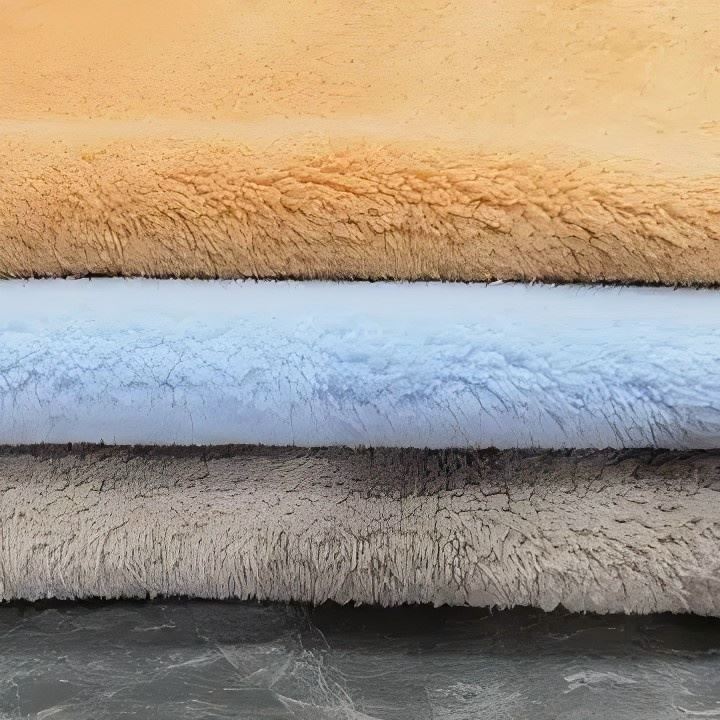
Flannelette Dyed Knitted Fabric is one of our top - selling products. This fabric is known for its extreme softness. It's made from cotton or a cotton blend, and the flannel finish gives it a fuzzy, warm, and incredibly soft texture. It's perfect for making pajamas, blankets, and baby clothes. When you run your hand over it, you can feel the soft, velvety surface that just makes you want to snuggle up.
Border Print Knit Fabric
Border Print Knit Fabric is not only beautiful with its unique prints but also quite soft. The base fabric is usually a high - quality knitted material, which provides a soft foundation. The printing process doesn't compromise the softness; instead, it adds a decorative element to the already soft fabric. This fabric is great for making dresses, tops, and scarves. You'll love how it feels against your skin when you wear it.
Flannel Dyed Knitted Fabric
Flannel Dyed Knitted Fabric is similar to flannelette but has its own characteristics. It's also made from cotton or a blend, and the dyeing process gives it a rich color while maintaining its softness. The flannel texture makes it warm and cozy, and it's often used for winter clothing and bedding. It has a soft, brushed surface that feels great to touch.
Why Softness Matters in Knitted Fabric
Softness is not just about feeling good; it has practical benefits too. For one, soft knitted fabric is more comfortable to wear. Whether you're wearing a t - shirt, a sweater, or pajamas, a soft fabric won't irritate your skin. This is especially important for people with sensitive skin.
Soft fabrics also tend to be more durable. Because they're more flexible, they can withstand wear and tear better than stiff fabrics. They're less likely to tear or pill, which means your clothes will last longer.

In the market, soft knitted fabric is in high demand. Consumers are always looking for products that are not only stylish but also comfortable. As a supplier, offering soft knitted fabric gives us a competitive edge. We can attract more customers who value comfort and quality.
How to Maintain the Softness of Knitted Fabric
Taking care of your knitted fabric is essential to keep it soft. Here are some tips:
- Washing: Use a gentle detergent and wash in cold water. Hot water can damage the fibers and make the fabric less soft. Avoid using fabric softeners that contain harsh chemicals, as they can leave a residue and reduce the softness.
- Drying: Air - drying is the best option. If you need to use a dryer, use a low - heat setting. High heat can shrink the fabric and make it stiff.
- Storage: Fold your knitted items instead of hanging them. Hanging can stretch the fabric and make it lose its shape and softness.
Conclusion
In conclusion, the softness of knitted fabric is a combination of the materials used, the knitting process, and how it's treated. Whether it's Flannelette Dyed Knitted Fabric, Border Print Knit Fabric, or Flannel Dyed Knitted Fabric, our products offer a high - level of softness that's both comfortable and durable.
If you're in the market for high - quality, soft knitted fabric, we'd love to have a chat with you. Whether you're a clothing manufacturer, a crafter, or just someone looking for the perfect fabric for a project, we can provide you with the right solution. Reach out to us for more information and to start a procurement discussion.
References
- Textile Institute. "Handbook of Knitting Technology."
- ASTM International. "Standards for Textile Testing."