

Hey there! I'm a supplier of process fabric, and today I'm super excited to take you on a journey through how process fabric is made. It's a fascinating process that involves a lot of steps, and I'm here to break it down for you.
The Basics of Process Fabric
First off, let's talk about what process fabric actually is. Process fabric refers to fabrics that have gone through various treatments and processes to achieve specific textures, looks, or functions. This can include things like adding beads, creating unique patterns, or giving the fabric a special finish.
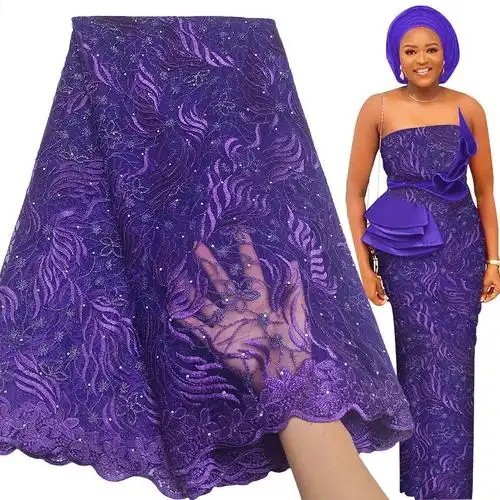

There are so many different types of process fabric out there. For example, Bubble Fabric has a really cool bubbly texture that makes it stand out. It's great for creating fun and eye - catching clothing or decorative items. Then there's Beaded Tulle Fabric, which is adorned with beads and has a very elegant and glamorous look, perfect for formal dresses. And Lace for Dressmaking is another popular type. It adds a touch of femininity and sophistication to any garment.
Starting with the Base Fabric
The process of making process fabric starts with a base fabric. This can be made from different materials like cotton, silk, polyester, or a blend of these. The choice of base fabric depends on the final product we want to create.
For instance, if we're making a lightweight and breathable process fabric, we might choose a cotton base. Cotton is natural, soft, and allows air to circulate, making it comfortable to wear. On the other hand, if we need a fabric that's more durable and has a bit of stretch, a polyester - cotton blend could be a good option.
Once we've selected the base fabric, it goes through a series of pre - treatments. This includes washing to remove any impurities or sizing agents that might be on the fabric. Sizing is a substance that's added during the weaving process to make the yarns stronger and easier to handle. After washing, the fabric is dried and sometimes ironed to make it smooth and ready for the next steps.
Adding Decorations and Treatments
One of the most exciting parts of making process fabric is adding decorations. This can involve techniques like beading, embroidery, or printing.
Beading is a labor - intensive process. Workers carefully sew beads onto the fabric one by one. Each bead is placed in a specific pattern, which can range from simple geometric designs to elaborate floral patterns. The type of beads used can also vary. There are glass beads, plastic beads, and even semi - precious beads, depending on the desired look and the budget.
Embroidery is another popular decoration method. It involves using a needle and thread to create designs on the fabric. There are different types of embroidery stitches, such as satin stitch, running stitch, and chain stitch. Embroidery can add a lot of detail and texture to the fabric. For example, a floral embroidery on a white silk base fabric can make it look like a work of art.
Printing is a more modern way of adding designs to the fabric. There are different printing techniques, like screen printing and digital printing. Screen printing involves using a stencil to apply ink to the fabric. It's a great way to create bold and colorful patterns. Digital printing, on the other hand, allows for more detailed and complex designs. It uses a digital printer to transfer the design directly onto the fabric.
Special Finishes
After the decorations are added, the fabric might go through some special finishes. These finishes can change the fabric's properties and give it a unique look.
One common finish is the waterproof finish. This is achieved by applying a special coating to the fabric. The coating creates a barrier that prevents water from penetrating the fabric. It's great for outdoor clothing or items that need to be protected from moisture.
Another finish is the softening finish. This makes the fabric feel softer and more comfortable to touch. It's often used on fabrics that will be in direct contact with the skin, like underwear or baby clothes.
There's also the wrinkle - resistant finish. This treatment makes the fabric less likely to wrinkle, which is very convenient for everyday wear. It's especially useful for business clothing or items that need to look neat all the time.
Quality Control
Throughout the entire process of making process fabric, quality control is extremely important. We have a team of experts who check the fabric at every stage. They look for any defects, such as uneven stitching, loose beads, or color variations.
If a defect is found, the fabric is either repaired or rejected. This ensures that only high - quality process fabric reaches our customers. We also test the fabric for things like colorfastness, which means how well the color holds up when the fabric is washed or exposed to sunlight.
Packaging and Shipping
Once the process fabric is made and passes the quality control checks, it's time to package it. We use different types of packaging materials depending on the type of fabric. For example, delicate fabrics might be wrapped in tissue paper and placed in a box to protect them.
After packaging, the fabric is ready to be shipped to our customers. We work with reliable shipping companies to ensure that the fabric arrives safely and on time.
Why Choose Our Process Fabric
So, why should you choose our process fabric? Well, for starters, we have a wide range of options. Whether you're looking for a fun Bubble Fabric for a children's project or an elegant Beaded Tulle Fabric for a formal dress, we've got you covered.
We also take pride in our quality. Our team of experts ensures that every piece of fabric meets the highest standards. And we're always looking for new and innovative ways to create process fabric. We stay up - to - date with the latest trends and techniques in the industry to offer you the best products.
If you're interested in purchasing our process fabric, we'd love to have a chat with you. Whether you're a small - scale designer or a large - scale manufacturer, we can work with you to meet your needs. Don't hesitate to reach out to us for more information or to start a purchase negotiation.
References
- Textile Manufacturing Handbook: Covers the general processes of fabric production, including base fabric creation and finishing techniques.
- Decorative Textile Techniques: Provides in - depth information on adding decorations like beading and embroidery to fabrics.
- Fabric Finishing Technology: Discusses different types of fabric finishes and their applications.