

Hey there! As a supplier of printed knitted fabric, I've had my fair share of experiences when it comes to cutting this type of fabric accurately. It can be a bit tricky, but with the right techniques and tools, you can achieve precise cuts every time. In this blog post, I'm going to share some tips and tricks on how to cut printed knitted fabric accurately.
Understanding Printed Knitted Fabric
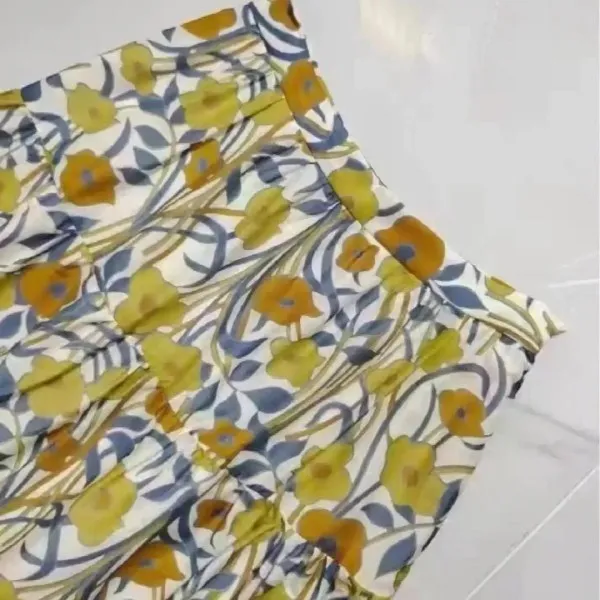
First things first, let's talk a bit about printed knitted fabric. Knitted fabrics are made by interlocking loops of yarn, which gives them a stretchy and flexible quality. This is great for comfort and fit, but it can also make cutting a bit more challenging compared to woven fabrics. Printed knitted fabrics have a design or pattern printed on them, which adds an extra layer of complexity when it comes to cutting.

There are different types of printed knitted fabrics available in the market. For example, Rayon Jersey Print Fabric is soft, breathable, and has a nice drape. It's often used for making casual wear like t-shirts and dresses. Camo Jersey Knit Fabric has a camouflage print and is popular for outdoor and military-style clothing. And Printed Silk Jersey Fabric is luxurious, smooth, and has a beautiful sheen, making it suitable for high - end garments.
Tools You'll Need
Before you start cutting, you need to have the right tools. Here are some essentials:
- Sharp Scissors or Rotary Cutter: A sharp pair of fabric scissors is a must. Dull scissors can cause the fabric to fray or stretch, leading to inaccurate cuts. If you're dealing with a large amount of fabric, a rotary cutter can be a great option as it allows for faster and more precise cutting.
- Cutting Mat: A self - healing cutting mat provides a smooth and stable surface for cutting. It protects your work surface and helps prevent the blade from getting dull too quickly.
- Pins or Fabric Weights: Pins are useful for holding the pattern pieces in place on the fabric. However, if you're worried about stretching the fabric with pins, fabric weights can be a good alternative. They hold the pattern firmly without piercing the fabric.
- Pattern Pieces: Make sure you have your pattern pieces ready. You can either use commercial patterns or create your own.
Preparing the Fabric
Preparing the fabric properly is crucial for accurate cutting. Here's what you should do:
- Wash and Dry: If possible, wash and dry the fabric before cutting. This helps to preshrink the fabric and also removes any chemicals or finishes that might be on it. Make sure to follow the care instructions on the fabric label.
- Iron the Fabric: Once the fabric is dry, iron it to remove any wrinkles. Use a low - heat setting if the fabric is sensitive to heat. This will make it easier to lay out the pattern and ensure a smooth cut.
- Fold the Fabric: Fold the fabric along its grainline. The grainline is the direction in which the fabric has the least stretch. You can usually find the grainline marked on the pattern pieces. Folding the fabric along the grainline helps to keep the pattern in alignment and ensures that the finished garment hangs correctly.
Laying Out the Pattern
Laying out the pattern correctly is the key to getting accurate cuts. Here are the steps:
- Place the Pattern on the Fabric: Lay the pattern pieces on the fabric according to the layout guide on the pattern envelope. Make sure to align the pattern with the grainline of the fabric. You can use pins or fabric weights to hold the pattern in place.
- Match the Print: If your fabric has a print, you need to match the print on the pattern pieces. This is especially important for patterns that have a directional print or a repeating pattern. Take your time to align the print so that it looks seamless when the garment is assembled.
- Check for Placement: Double - check the placement of the pattern pieces on the fabric. Make sure there is enough fabric around each piece for seam allowances. You don't want to end up with a piece that is too small because you didn't leave enough room for seams.
Cutting Techniques
Now that you have the pattern laid out on the fabric, it's time to start cutting. Here are some techniques to help you cut accurately:

- Cut Slowly and Steadily: When using scissors, cut slowly and steadily along the edge of the pattern piece. This helps to prevent the fabric from stretching or shifting. If you're using a rotary cutter, roll it smoothly along the pattern edge.
- Follow the Grainline: As you cut, make sure to follow the grainline of the fabric. This ensures that the fabric hangs correctly and that the finished garment has the right fit.
- Cut Through All Layers: If you're cutting multiple layers of fabric at once, make sure to cut through all the layers evenly. You can use a ruler or a cutting guide to help you keep a straight line.
- Trim Seam Allowances: After cutting out the pattern pieces, trim the seam allowances to the correct width. This helps to ensure that the seams are consistent and that the garment fits properly.
Dealing with Stretching
One of the biggest challenges when cutting printed knitted fabric is dealing with stretching. Here are some tips to minimize stretching:
- Use a Stabilizer: If the fabric is very stretchy, you can use a stabilizer to hold it in place. There are different types of stabilizers available, such as fusible interfacing or lightweight stabilizer sheets. You can fuse the stabilizer to the back of the fabric before cutting.
- Cut with the Grain: As mentioned earlier, cutting along the grainline helps to reduce stretching. The grainline is the direction in which the fabric has the least stretch, so following it will keep the fabric more stable.
- Handle the Fabric Gently: When moving the fabric or laying out the pattern, handle it gently to avoid stretching. Don't pull or tug on the fabric more than necessary.
Finishing the Edges
Once you've cut out the pattern pieces, it's important to finish the edges to prevent fraying. Here are some common edge - finishing techniques:
- Serge or Overlock: Using a serger or overlock machine is a great way to finish the edges of knitted fabric. It trims the edge and encloses it with thread, preventing fraying.
- Zigzag Stitch: If you don't have a serger, you can use a zigzag stitch on your sewing machine. Set the stitch width and length appropriately to cover the edge of the fabric.
- Binding: Binding the edges with bias tape is another option. This gives the fabric a neat and professional finish.
Quality Control
After cutting the fabric, it's a good idea to do some quality control. Check the pattern pieces to make sure they are the correct size and shape. Make sure the print is aligned correctly and that there are no visible errors or imperfections. If you find any issues, you can make adjustments before proceeding with sewing.
Conclusion
Cutting printed knitted fabric accurately takes a bit of practice and patience, but with the right tools and techniques, you can achieve great results. Remember to understand the properties of the fabric, prepare it properly, lay out the pattern carefully, and use the right cutting and finishing techniques.
If you're interested in purchasing high - quality printed knitted fabric for your projects, feel free to reach out for a purchase negotiation. We offer a wide range of printed knitted fabrics, including Rayon Jersey Print Fabric, Camo Jersey Knit Fabric, and Printed Silk Jersey Fabric. We're always happy to work with you to find the perfect fabric for your needs.
References
- "The Complete Photo Guide to Sewing" by Reader's Digest
- "Sewing with Knits" by Threads Magazine