

As a supplier of jacquard fabric, I've been deeply involved in the textile industry, witnessing the widespread use and popularity of this fabric in various fields. Jacquard fabric is renowned for its intricate patterns and high - end appearance, which are created through a specialized weaving process. However, like any product, it also has its share of disadvantages. In this blog, I'll explore some of the drawbacks associated with jacquard fabric to provide a comprehensive view for potential buyers.
High Production Cost
One of the most significant disadvantages of jacquard fabric is its high production cost. The jacquard weaving technique requires sophisticated machinery and skilled labor. Unlike plain or simple patterned fabrics that can be woven on standard looms, jacquard fabrics need jacquard looms, which are much more expensive to purchase and maintain. These looms use a complex system of punched cards or electronic controls to create the detailed patterns. The setup process for each new pattern is time - consuming and labor - intensive. Designers have to painstakingly program the loom to ensure that the pattern is reproduced accurately.
Moreover, the materials used in jacquard fabric are often of high quality. To achieve the rich colors and fine details, manufacturers may opt for premium yarns such as silk, high - grade cotton, or luxurious blends. The combination of expensive raw materials and the high - tech weaving process results in a relatively high price for jacquard fabric. This high cost can be a deterrent for small - scale producers or budget - conscious consumers. For example, a simple dress made from regular cotton fabric might be very affordable, but a similar dress made from jacquard silk fabric can cost several times more.
Limited Stretchability
Jacquard fabric generally has limited stretchability compared to some other types of fabrics. The nature of the jacquard weaving process, which focuses on creating complex and stable patterns, restricts the movement of the yarns. In most cases, the yarns are tightly woven to maintain the integrity of the pattern. This tight weaving structure means that the fabric cannot easily stretch or expand.
For applications where stretchability is crucial, such as sportswear or form - fitting clothing, jacquard fabric may not be the best choice. Athletes need fabrics that can move with their bodies during intense physical activities. A lack of stretch in jacquard fabric can lead to discomfort, restricted movement, and even potential damage to the fabric if it is forced to stretch beyond its limits. Even in everyday wear, tight - fitting jacquard garments may feel constricting, especially when sitting or bending.
Difficulty in Cleaning and Maintenance
Cleaning and maintaining jacquard fabric can be a challenge. The complex patterns and often delicate fibers used in jacquard fabric require special care. Many jacquard fabrics are not suitable for machine washing. The agitation in a washing machine can cause the pattern to distort, the colors to bleed, or the fibers to fray. Hand - washing is often recommended, but this is a time - consuming and labor - intensive process.

In addition, some jacquard fabrics are prone to staining. The detailed patterns can trap dirt and stains more easily than plain fabrics. Removing these stains without damaging the fabric can be extremely difficult. Specialized cleaning agents may be required, and even then, there is no guarantee that the stain will be completely removed. For example, a spilled coffee stain on a jacquard silk tablecloth can be a nightmare to clean. If not treated properly, the stain can permanently mar the beautiful pattern.
Slow Production Speed
The production speed of jacquard fabric is relatively slow. As mentioned earlier, the jacquard weaving process is highly complex. Each pattern requires a specific setup on the loom, which can take hours or even days depending on the complexity of the design. Once the setup is complete, the actual weaving process is also slower compared to simpler weaving methods.
This slow production speed can be a problem for businesses that need to meet tight deadlines. If a fashion brand suddenly needs a large quantity of jacquard fabric for a new collection, the supplier may not be able to deliver it in a timely manner. This can lead to delays in the production of the final products, missed sales opportunities, and potential dissatisfaction among customers.
Colorfastness Issues
Colorfastness can be an issue with jacquard fabric. The dyes used in jacquard fabric need to be able to withstand various factors such as washing, sunlight, and friction. However, due to the complex nature of the weaving and the large number of colors often used in jacquard patterns, achieving high colorfastness can be difficult.
Over time, the colors in jacquard fabric may fade or bleed. Exposure to sunlight can cause the dyes to break down, resulting in a loss of vibrancy. Frequent washing can also cause the colors to run, especially if the fabric is not properly treated. This can be a significant problem for products where color consistency is important, such as home decor items or high - end fashion pieces. A faded or color - bleeding jacquard curtain can make a room look shabby, and a dress with color - bleeding issues can be a disappointment for the wearer.
Lack of Breathability
Another drawback of jacquard fabric is its relatively poor breathability. The tight weaving structure that gives jacquard fabric its strength and pattern definition also restricts air circulation. This means that the fabric can trap heat and moisture close to the body, leading to discomfort, especially in warm weather or during physical activities.

For summer clothing, breathability is a key factor. People want fabrics that allow their skin to breathe and keep them cool. Jacquard fabric, with its limited air - flow properties, may not be the most suitable option for summer wear. In addition, for bedding and upholstery, poor breathability can also lead to a stuffy and uncomfortable environment.
Limited Design Flexibility in Mass Production
While jacquard fabric is known for its unique patterns, there are limitations when it comes to mass production. Each new pattern requires a significant investment in terms of time and money for the loom setup. This means that once a pattern is chosen for mass production, it is difficult to make changes or introduce new designs quickly.

For fashion brands that need to keep up with the latest trends, this can be a problem. They may find themselves stuck with a particular jacquard pattern for an extended period, while their competitors are able to offer new and trendy designs. This lack of design flexibility can put businesses at a disadvantage in the market.
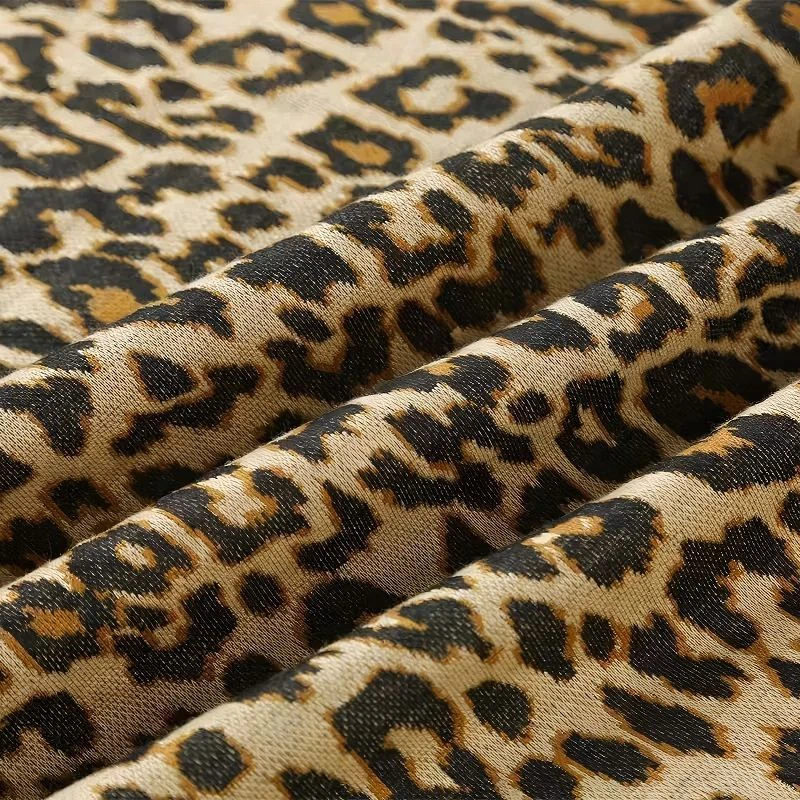
Despite these disadvantages, jacquard fabric still has its unique charm and is widely used in many high - end and specialty applications. If you're interested in exploring our range of jacquard fabrics, such as Embroidered Jacquard Fabric, Christmas Jacquard Fabric, and Leopard Jacquard Fabric, we encourage you to contact us for procurement discussions. We can provide you with detailed information about the fabric, its properties, and how it can be best used for your specific needs.
References
- Textile Industry Handbook: A comprehensive guide to different fabric types and their production processes.
- Journal of Textile Science: Research papers on the properties and challenges of jacquard fabric.
- Fashion Design Magazines: Articles discussing the practical use and limitations of jacquard fabric in the fashion industry.