

As a supplier of printed woven fabric, I often receive inquiries from customers about whether our products are suitable for children's clothing. This is a crucial question that concerns not only the comfort and safety of children but also the market demand for children's apparel. In this blog, I will delve into the characteristics of printed woven fabric and analyze its suitability for children's clothing from multiple perspectives.
Characteristics of Printed Woven Fabric
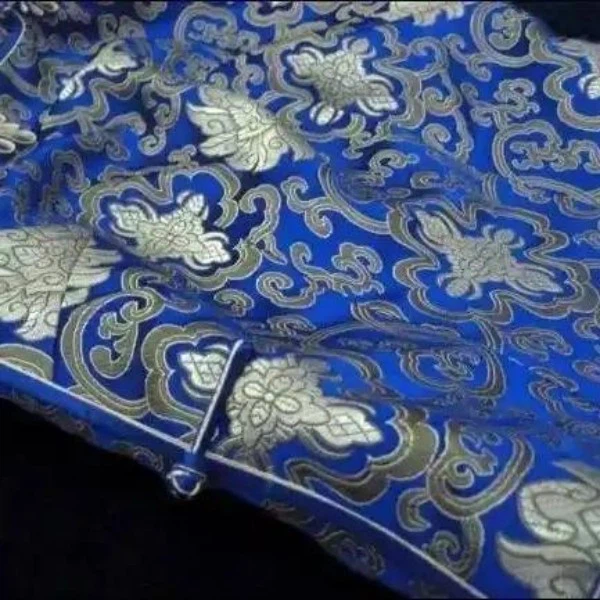
Printed woven fabric is a type of textile that combines the process of weaving and printing. Woven fabrics are created by interlacing two or more sets of yarns at right angles, which gives them a stable structure and good durability. The printing process adds various patterns and colors to the fabric, making it more attractive and diverse.
There are different types of printed woven fabric available in the market, each with its own unique properties. For example, Linen-cotton Printed Woven Fabric combines the breathability of linen and the softness of cotton. Linen is known for its natural cooling effect and high moisture absorption, while cotton is gentle on the skin and widely used in clothing. This combination makes the fabric suitable for children's clothing, especially in warm weather.
Pure Silk Printed Woven Fabric is another luxurious option. Silk is a natural protein fiber that is smooth, soft, and hypoallergenic. It has excellent moisture-wicking properties and can keep the skin dry and comfortable. The beautiful sheen and elegant drape of silk also add a touch of sophistication to children's clothing.
Cotton Printed Woven Fabric is perhaps the most commonly used type for children's wear. Cotton is a natural fiber that is highly breathable, absorbent, and gentle on the skin. It is easy to care for and can withstand frequent washing, which is essential for children's clothing that may get dirty easily.
Suitability for Children's Clothing
Comfort
Comfort is of utmost importance when it comes to children's clothing. Children are more sensitive to discomfort than adults, and clothing that is itchy, tight, or too heavy can cause them to be fussy and irritable. Printed woven fabric, especially those made from natural fibers like cotton, linen, and silk, offers excellent comfort.

Natural fibers allow air to circulate freely through the fabric, keeping the child's skin cool and dry. They also have a soft texture that does not irritate the delicate skin of children. For example, cotton printed woven fabric has a smooth surface that feels gentle against the skin, and it can absorb sweat effectively, preventing the child from feeling sticky.
Safety
Safety is another critical factor. Children often put their hands and clothing in their mouths, so the fabric used in their clothing should be non-toxic and free from harmful chemicals. When choosing printed woven fabric for children's clothing, it is essential to ensure that the printing inks used are environmentally friendly and meet safety standards.
Our company is committed to using high-quality, non-toxic inks in the printing process. We conduct strict quality control to ensure that our printed woven fabrics are safe for children. In addition, the stable structure of woven fabrics reduces the risk of fraying and tearing, which can pose a choking hazard to young children.
Durability
Children are active and tend to be rough on their clothing. Therefore, durability is an important consideration. Printed woven fabric has a relatively stable structure compared to knitted fabrics, which makes it more resistant to wear and tear.
The interlacing of yarns in woven fabrics gives them strength and durability. They can withstand the constant movement and stretching that children's clothing is subjected to. For example, cotton printed woven fabric can be washed and dried multiple times without losing its shape or color, ensuring that the clothing remains in good condition for a long time.
Aesthetics
Children are often attracted to bright colors and interesting patterns. Printed woven fabric offers a wide range of printing options, allowing for the creation of colorful and eye-catching designs. Whether it's cute animal prints, vibrant floral patterns, or trendy geometric shapes, printed woven fabric can meet the aesthetic needs of children's clothing.
The printing process can also be used to create high-resolution and detailed designs, making the clothing more appealing to children. This can help to increase the marketability of children's clothing and make it more popular among consumers.
Considerations and Limitations
While printed woven fabric has many advantages for children's clothing, there are also some considerations and limitations.

Cost
Some types of printed woven fabric, such as pure silk printed woven fabric, can be relatively expensive. This may increase the cost of production for children's clothing, which could affect the final price and market competitiveness. However, cotton and linen-cotton printed woven fabrics are more affordable options that can still provide good quality and performance.
Care Instructions
Printed woven fabric may require specific care instructions to maintain its appearance and quality. For example, some printed fabrics may fade or bleed if not washed properly. It is important to provide clear care instructions to consumers to ensure that the clothing lasts longer.
Conclusion
In conclusion, printed woven fabric is generally suitable for children's clothing. Its comfort, safety, durability, and aesthetic appeal make it a popular choice among manufacturers and consumers. As a printed woven fabric supplier, we offer a variety of options, including Linen-cotton Printed Woven Fabric, Pure Silk Printed Woven Fabric, and Cotton Printed Woven Fabric, to meet the different needs of the children's clothing market.

If you are interested in purchasing our printed woven fabric for children's clothing, please feel free to contact us for more information and to discuss your specific requirements. We look forward to the opportunity to cooperate with you and provide you with high-quality products and excellent service.
References
- Textile Institute. (2019). Handbook of Textile Fibres. Woodhead Publishing.
- ASTM International. (2020). Standard Test Methods for Determining the Flammability of Textiles. ASTM D6413.
- International Organization for Standardization. (2018). Textiles - Tests for Colour Fastness. ISO 105.