

Hey there! As a process fabric supplier, I've seen firsthand how crucial it is to ensure the quality of the fabrics we offer. In this blog post, I'm gonna share some practical tips on how to test the quality of process fabric. Whether you're a fellow supplier, a manufacturer, or someone who just loves working with fabrics, these tips will come in handy.
Visual Inspection
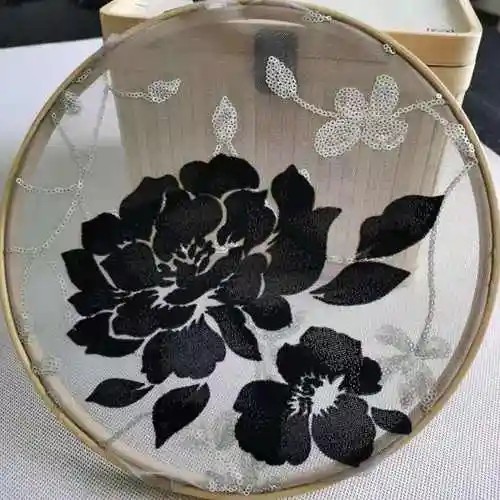
The first step in testing process fabric is a simple visual inspection. Grab a piece of the fabric and hold it up to the light. Look for any visible flaws like holes, stains, or uneven dyeing. Fabrics with inconsistent color distribution might not be of the best quality. For instance, if you're looking at a Lace for Dressmaking, check for any broken threads or irregular patterns. A high - quality lace should have a uniform and intricate design throughout.
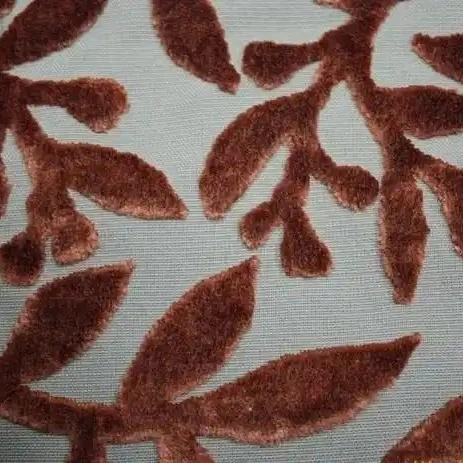
Another thing to look out for is the fabric's surface texture. Run your fingers over it. A smooth and even texture usually indicates good quality. Rough or bumpy areas could be a sign of poor manufacturing. If you're dealing with Flocked Fabric, make sure the flock is evenly distributed and firmly attached. Loose or patchy flocking can make the fabric look unprofessional and might not hold up well over time.
Tensile Strength Test
Tensile strength is a measure of how much force a fabric can withstand before it breaks. To test the tensile strength of a process fabric, you can do a simple DIY test at home. Cut a small strip of the fabric, about 2 - 3 inches wide and 6 - 8 inches long. Hold the strip firmly at both ends and slowly pull it apart. If the fabric tears easily or shows signs of fraying at the edges, it might not have good tensile strength.
This test is especially important for fabrics that will be subjected to a lot of stress, like those used in upholstery or heavy - duty clothing. For example, Hot Gold Leather Fabric should have a decent amount of tensile strength to ensure it doesn't rip or tear when used in bags or shoes.
Colorfastness Test
No one wants a fabric that fades after a few washes. To test the colorfastness of a process fabric, you can do a simple wash test. Cut a small swatch of the fabric and soak it in a bowl of lukewarm water with a little bit of mild detergent. Gently agitate the water for a few minutes, then let the fabric sit in the water for about 15 - 20 minutes.
After that, take the fabric out and check the water. If the water has changed color, it means the fabric is not colorfast. This is a big issue, especially for fabrics that will be used in clothing or home decor items that need to be washed regularly. You can also try rubbing a white cloth against the wet fabric to see if any color transfers onto the cloth.
Abrasion Resistance Test
Abrasion resistance refers to how well a fabric can withstand wear and tear from rubbing against other surfaces. To test the abrasion resistance of a process fabric, you can use a piece of sandpaper. Take a small swatch of the fabric and rub it gently against the sandpaper for about 30 - 60 seconds.
Check the fabric for any signs of pilling, fuzzing, or damage. If the fabric shows a lot of wear after just a short period of rubbing, it might not have good abrasion resistance. This is important for fabrics that will be used in high - traffic areas, like seat covers or work uniforms.
Shrinkage Test
Shrinkage can be a major problem, especially when working with fabrics that need to fit a specific pattern or size. To test the shrinkage of a process fabric, cut a square piece of the fabric and measure its length and width accurately. Then, wash the fabric according to the care instructions on the label.
After washing, let the fabric dry completely and measure it again. Calculate the percentage of shrinkage by subtracting the new dimensions from the original dimensions and dividing by the original dimensions. A high shrinkage rate can make the fabric unusable for certain projects, so it's important to test this before using the fabric.
Softness and Comfort Test
Last but not least, the softness and comfort of a fabric are also important factors to consider. You can test the softness of a process fabric by simply touching it. Run your fingers over the fabric and see how it feels against your skin. A soft and smooth fabric is usually more comfortable to wear or use.
You can also try wearing a small piece of the fabric against your skin for a few minutes to see if it causes any irritation or discomfort. This is especially important for fabrics that will be used in clothing, especially underwear or baby clothes.
In conclusion, testing the quality of process fabric is a multi - step process that involves visual inspection, strength tests, colorfastness tests, and more. By following these tips, you can ensure that you're getting high - quality fabrics for your projects.
If you're interested in purchasing high - quality process fabrics, I'd love to have a chat with you. Whether you're looking for Lace for Dressmaking, Flocked Fabric, or Hot Gold Leather Fabric, I've got you covered. Let's start a conversation about your fabric needs and see how we can work together!
References
- Textile Testing Handbook, Third Edition by A. J. Hall
- Handbook of Textile Fibre Structure, Volume 1: Natural Fibres by David J. S. Hearle