

When it comes to the world of fabrics, one question that often arises is whether pressed fabric is waterproof. As a supplier of pressed fabric, I've encountered this query numerous times from customers in various industries, ranging from fashion to home decor. In this blog, I'll delve into the science behind pressed fabric and its waterproof properties, explore different types of pressed fabrics, and discuss factors that influence their water resistance.
Understanding Pressed Fabric
Pressed fabric is a type of fabric that has undergone a pressing process to achieve a specific texture, appearance, or finish. This process can involve heat, pressure, or a combination of both, which can alter the fabric's structure and properties. Pressed fabrics can be made from a variety of materials, including cotton, polyester, silk, and wool, and they can be used in a wide range of applications, such as clothing, upholstery, and drapery.
Is Pressed Fabric Waterproof?
The answer to whether pressed fabric is waterproof depends on several factors, including the type of fabric, the pressing process, and any additional treatments or coatings applied to the fabric. In general, most pressed fabrics are not inherently waterproof. However, they can be made water-resistant or waterproof through various methods.
Factors Affecting Waterproofness
1. Fabric Material
The type of fabric used plays a significant role in determining its waterproof properties. Natural fibers like cotton and wool are porous and absorbent, making them less likely to be waterproof on their own. Synthetic fibers such as polyester and nylon, on the other hand, are more hydrophobic and can offer better water resistance. For example, a pressed polyester fabric may be more water-resistant than a pressed cotton fabric.
2. Pressing Process
The pressing process can also affect the fabric's waterproofness. If the pressing process involves heat and pressure that compacts the fabric fibers, it can reduce the fabric's porosity and increase its water resistance to some extent. However, this alone may not make the fabric completely waterproof.
3. Treatments and Coatings
Applying treatments or coatings to the pressed fabric is a common way to enhance its waterproof properties. Water-repellent treatments can be applied to the fabric surface, creating a barrier that prevents water from penetrating the fabric. These treatments can range from simple wax coatings to more advanced chemical treatments. For instance, a fluoropolymer coating can provide excellent water repellency and durability.
Types of Pressed Fabrics and Their Waterproofness
1. Bubble Fabric
Bubble Fabric is a type of pressed fabric that has a unique bubble-like texture. This fabric is often used in fashion and home decor applications. While bubble fabric is not typically waterproof, it can be treated to make it water-resistant. The texture of the fabric can also help to shed water to some extent, but it may not be suitable for applications where complete waterproofing is required.
2. Velvet Dyed Fabric
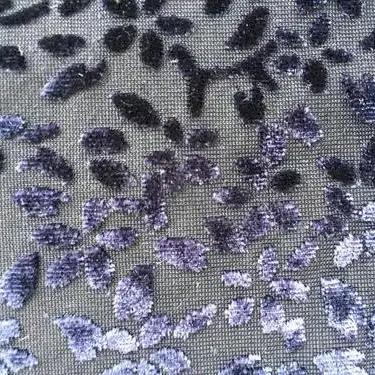
Velvet Dyed Fabric is a luxurious pressed fabric with a soft and plush texture. Velvet is usually made from natural or synthetic fibers and can be dyed in a variety of colors. Like other pressed fabrics, velvet is not inherently waterproof. However, it can be treated with water-repellent coatings to make it more resistant to water. The dense pile of the velvet can also help to slow down the penetration of water, but it may not be completely waterproof.
3. Velvet Printed Fabric
Velvet Printed Fabric combines the beauty of velvet with printed designs. Similar to velvet dyed fabric, velvet printed fabric is not waterproof by nature. However, with appropriate treatments, it can be made water-resistant. The printing process itself does not affect the fabric's waterproofness, but the base fabric and any additional treatments play a crucial role.
Testing the Waterproofness of Pressed Fabric
To determine the waterproofness of a pressed fabric, several tests can be conducted. One common test is the water spray test, where water is sprayed onto the fabric surface at a specific angle and pressure. If the water beads up and rolls off the fabric, it indicates good water repellency. Another test is the hydrostatic pressure test, which measures the amount of water pressure the fabric can withstand before water starts to penetrate.
Applications of Waterproof Pressed Fabric
Waterproof pressed fabric has a wide range of applications. In the fashion industry, it can be used to make raincoats, jackets, and outdoor clothing. In the home decor sector, waterproof pressed fabric can be used for upholstery, cushions, and outdoor furniture covers. It can also be used in the automotive industry for seat covers and interior linings.

Contact for Procurement
If you're interested in purchasing pressed fabric for your specific needs, whether you require waterproof or non-waterproof options, I'd be more than happy to assist you. We offer a wide range of high-quality pressed fabrics, including Bubble Fabric, Velvet Dyed Fabric, and Velvet Printed Fabric. Feel free to reach out to discuss your requirements and explore the possibilities of working together.
References
- Textile Institute. (202X). Handbook of Textile Testing and Quality Control.
- ASTM International. (202X). Standard Test Methods for Water Resistance of Textiles.