

As a seasoned supplier of Yarn Dyed Woven Fabric, I've had the privilege of working with a wide array of weaves that bring unique characteristics and aesthetics to the fabric. In this blog, I'll delve into the common weaves in Yarn Dyed Woven Fabric, sharing insights based on my years of experience in the industry.
Plain Weave
The plain weave is perhaps the most fundamental and widely used weave in Yarn Dyed Woven Fabric. In a plain weave, the warp and weft yarns cross each other alternately, creating a simple and balanced pattern. This results in a fabric that is strong, durable, and has a smooth surface. The plain weave is known for its versatility, making it suitable for a variety of applications, from casual wear to home textiles.
One of the advantages of the plain weave is its ability to showcase the colors and patterns of the dyed yarns. Since the yarns are visible on both sides of the fabric, the colors and designs are more prominent. This makes plain weave Yarn Dyed Woven Fabric ideal for creating bold and vibrant patterns.
However, the plain weave also has its limitations. The fabric can be relatively stiff and less drapey compared to other weaves. Additionally, the tightness of the weave can make the fabric less breathable, which may not be suitable for certain applications.
Twill Weave
The twill weave is characterized by a diagonal pattern created by the interlacing of the warp and weft yarns. This pattern gives the fabric a distinct texture and appearance, making it easily recognizable. Twill weaves can be further classified into different types, such as 2/1 twill, 3/1 twill, and herringbone twill.
One of the main advantages of the twill weave is its strength and durability. The diagonal pattern distributes the stress evenly across the fabric, making it more resistant to wear and tear. Twill weaves also have a good drape, which makes them suitable for clothing items such as pants, jackets, and suits.
Another benefit of the twill weave is its ability to create a variety of patterns and textures. By changing the direction and angle of the diagonal lines, different effects can be achieved. For example, a herringbone twill creates a zigzag pattern that adds a touch of sophistication to the fabric.
However, twill weaves can be more difficult to produce compared to plain weaves. The diagonal pattern requires more complex weaving techniques, which can increase the production cost. Additionally, the fabric may be more prone to showing dirt and stains due to the texture of the weave.
Satin Weave
The satin weave is known for its smooth and lustrous surface. In a satin weave, the warp or weft yarns float over several other yarns, creating a long, continuous surface. This gives the fabric a shiny appearance and a soft, luxurious feel.
One of the main advantages of the satin weave is its aesthetic appeal. The smooth surface of the fabric reflects light, creating a beautiful sheen that adds a touch of elegance to any garment or textile. Satin weaves are often used in formal wear, lingerie, and high-end home textiles.
Another benefit of the satin weave is its drapability. The long floats in the weave allow the fabric to flow and drape gracefully, making it ideal for creating flowing dresses and skirts. Satin weaves also have a good hand feel, which makes them comfortable to wear.
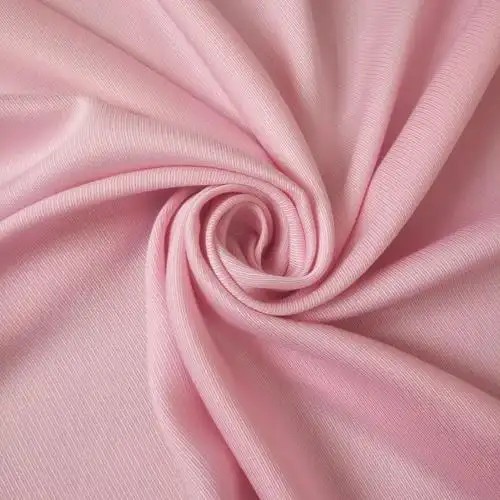
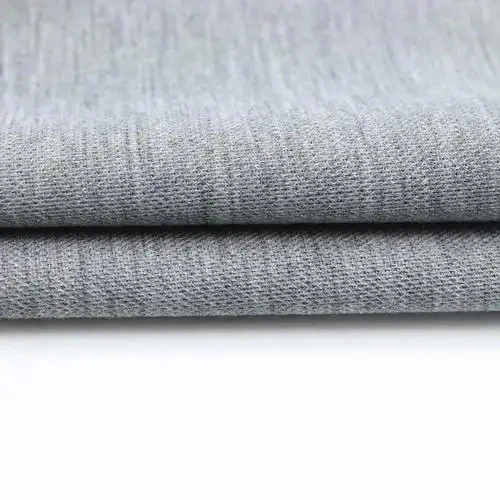
However, satin weaves can be more delicate and less durable compared to other weaves. The long floats in the weave make the fabric more prone to snagging and tearing. Additionally, the smooth surface of the fabric can make it more difficult to sew and handle.
Basket Weave
The basket weave is a variation of the plain weave, where two or more warp and weft yarns are grouped together and interlaced. This creates a fabric with a basket-like pattern, giving it a unique texture and appearance.
One of the main advantages of the basket weave is its versatility. The fabric can be made in a variety of weights and textures, making it suitable for a wide range of applications. Basket weaves can be used for clothing, home textiles, and even upholstery.
Another benefit of the basket weave is its breathability. The open structure of the weave allows air to circulate through the fabric, making it more comfortable to wear in warm weather. Basket weaves also have a good hand feel, which makes them soft and cozy.
However, the basket weave can be more prone to stretching and distortion compared to other weaves. The open structure of the weave makes the fabric less stable, which can cause it to lose its shape over time. Additionally, the fabric may be more difficult to clean and maintain due to the textured surface.
Jacquard Weave
The Jacquard weave is a complex and intricate weave that allows for the creation of detailed patterns and designs. In a Jacquard weave, each warp yarn can be controlled individually, allowing for the creation of complex patterns that are not possible with other weaves.
One of the main advantages of the Jacquard weave is its ability to create unique and customized patterns. The fabric can be designed to feature intricate motifs, logos, or even photographs. This makes Jacquard weaves ideal for creating high-end and exclusive fabrics.
Another benefit of the Jacquard weave is its versatility. The fabric can be made in a variety of weights and textures, making it suitable for a wide range of applications. Jacquard weaves can be used for clothing, home textiles, and even upholstery.
However, the Jacquard weave is more expensive and time-consuming to produce compared to other weaves. The complex patterns require specialized equipment and skilled weavers, which can increase the production cost. Additionally, the fabric may be more difficult to care for due to the intricate patterns.
Conclusion
In conclusion, the choice of weave in Yarn Dyed Woven Fabric plays a crucial role in determining the fabric's characteristics, appearance, and performance. Each weave has its own unique advantages and disadvantages, and the selection of the appropriate weave depends on the specific requirements of the application.
As a supplier of Yarn Dyed Woven Fabric, I understand the importance of providing high-quality fabrics that meet the needs of my customers. Whether you're looking for a plain weave for a casual shirt, a twill weave for a pair of pants, or a Jacquard weave for a high-end dress, I have a wide range of options to choose from.
If you're interested in learning more about our Yarn Dyed Woven Fabric products or would like to discuss your specific requirements, please don't hesitate to contact us. We're always happy to help and look forward to working with you.
References
- Textile Institute. (2019). Handbook of Textile Fibre Structure. Woodhead Publishing.
- Tortora, P. G., & Merkel, J. B. (2015). Fairchild's Dictionary of Textiles. Fairchild Books.
- Zurek, M. (2018). Textile Science. Pearson.